Main switching and pre-charge
A project may integrate main positive/negative contactors, pre-charge, service disconnect, and control sequencing according to the battery and inverter requirements.
Custom BDU / BJB capability
custom BDU · Product category / custom BDU-BJB capability
TRHT supports project-based BDU and BJB architecture review for high-voltage battery systems. No fixed BDU model, rating, environmental limit, or product-specific image is claimed on this page.
A Battery Disconnect Unit or Battery Junction Box typically manages battery isolation and connection functions near or within the battery system. The exact boundary between BDU, BJB, PDU, and pack controls depends on the electrical architecture and service strategy.
A project may integrate main positive/negative contactors, pre-charge, service disconnect, and control sequencing according to the battery and inverter requirements.
Fuse protection, sensing, HVIL/control, busbars, connectors, and pack interfaces can be evaluated when the battery/BMS data and packaging constraints are available.
An EV PDU generally distributes and protects high-voltage power to vehicle loads. A BDU/BJB typically emphasizes battery isolation, main connection, pre-charge, and serviceability. Real architectures can combine or divide these functions, so the system boundary should be agreed from the SLD.
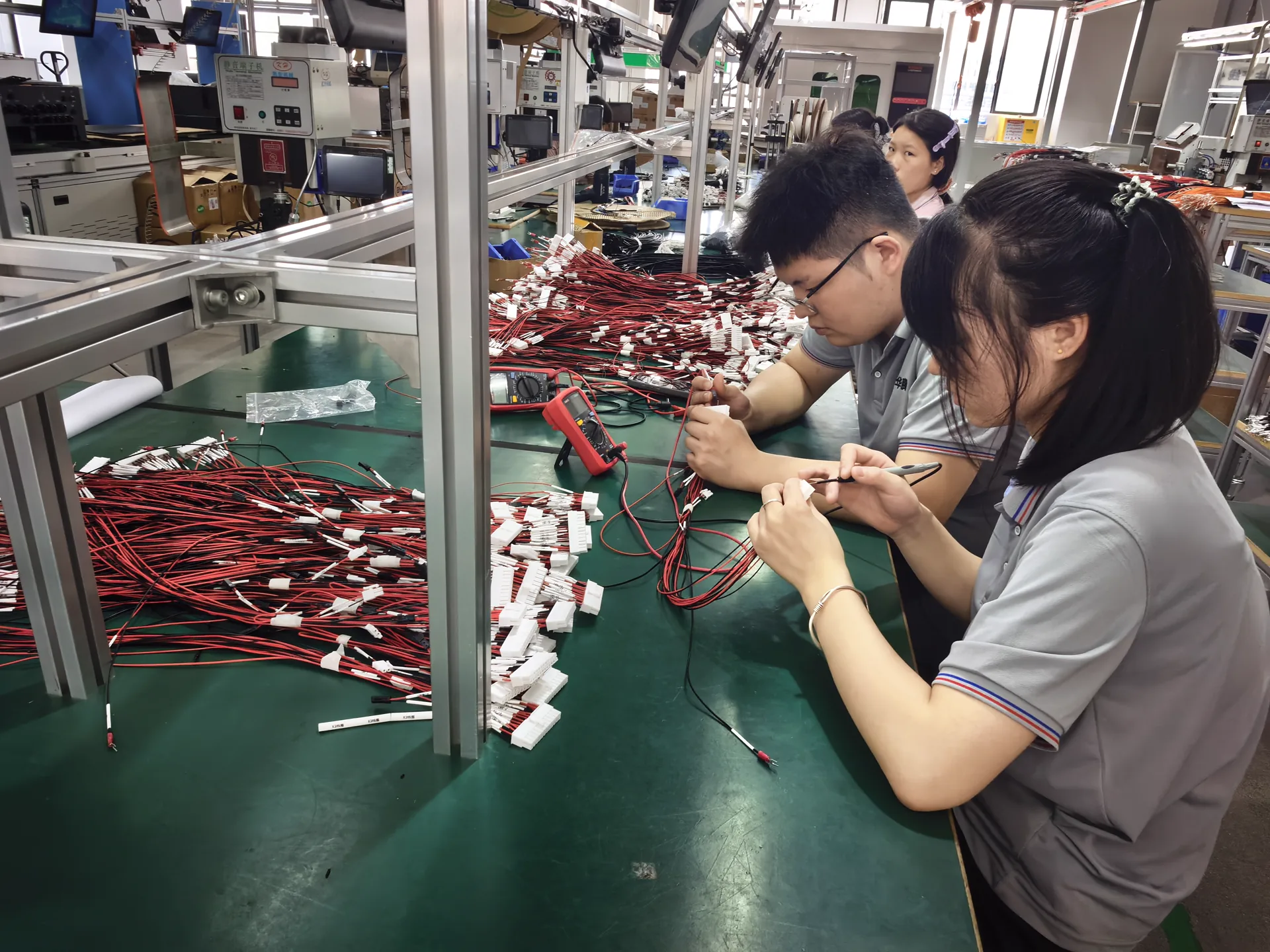
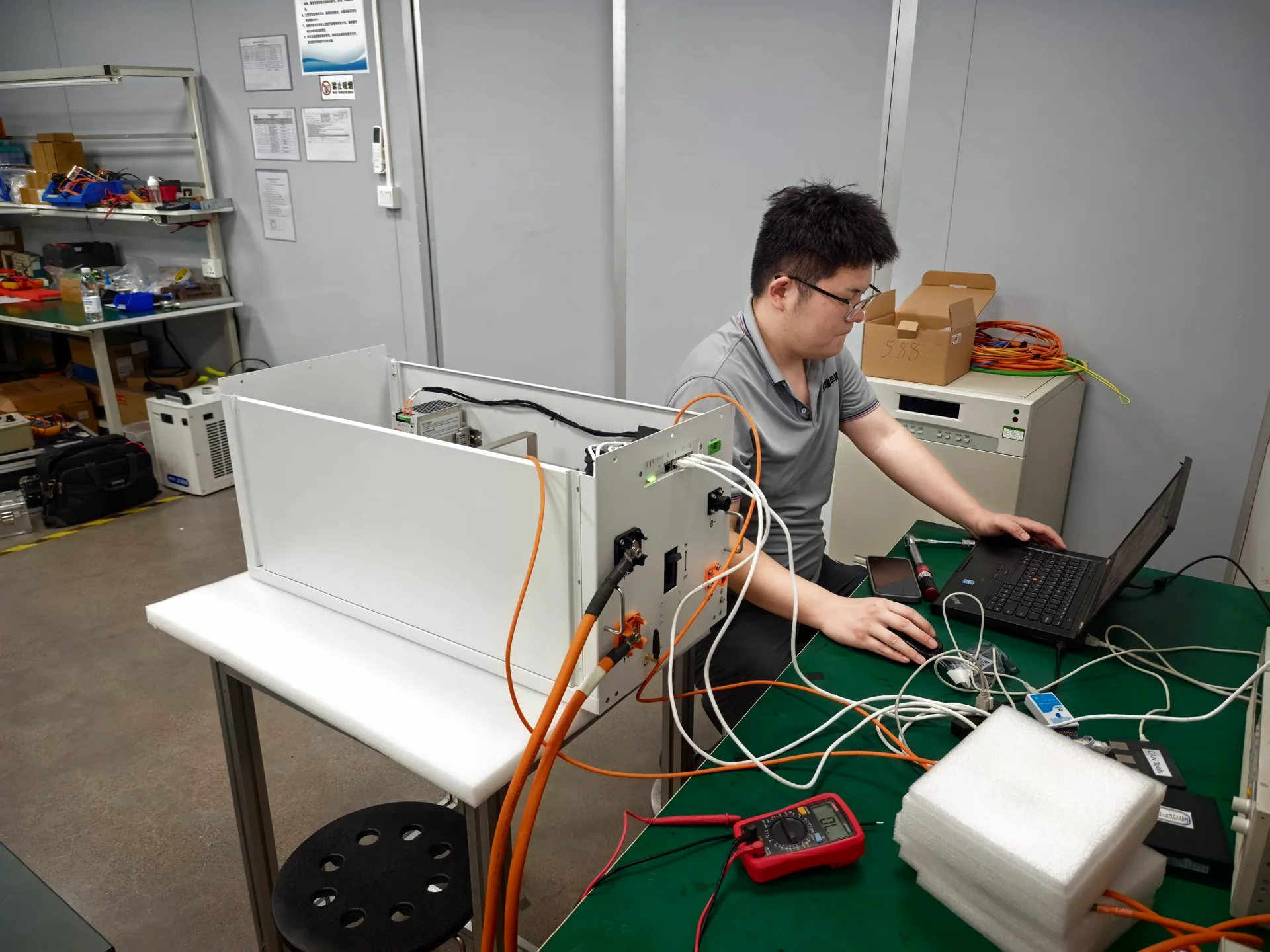
Engineering review should align protection coordination, isolation behavior, service access, connector and busbar routing, thermal conditions, control diagnostics, and validation acceptance criteria. Existing factory/testing media is process evidence only, not proof of a completed BDU validation program.
Evidence context
These visuals support a conservative engineering and workmanship context. They do not identify an exact model or prove a universal rating, certification, customer case, or completed validation result.
Buyer questions
A BDU is a battery-system assembly that typically manages high-voltage isolation, main connection, pre-charge, protection, sensing, and service functions. The exact design depends on the battery architecture.
The terms overlap in industry. A BDU often emphasizes disconnect and switching functions, while a BJB may describe a broader battery junction and protection assembly. The required functions and system boundary should be defined in the project SLD.
A BDU/BJB is usually centered near the battery system, while an EV PDU distributes protected high-voltage power to vehicle loads. The final boundary is architecture-dependent.
Depending on the project, main contactors, pre-charge, fuse protection, current sensing, service disconnect, HVIL/control, busbars, connectors, and pack interfaces may be evaluated.
Provide voltage and current duty, fault assumptions, battery/BMS signals, contactor and pre-charge logic, service requirements, pack envelope, connectors, environment, project stage, and quantity context.
They are defined from bus capacitance, load profile, fault current, battery resistance, switching sequence, protection coordination, service strategy, and applicable validation criteria.
Continue your review
Move from category understanding to architecture review, factory context, or an RFQ conversation.