Engineering-sample scope and configuration to be agreed.
Manufacturing
Manufacturing support for high-voltage PDU programs
TRHT supports ESS PDU and EV PDU programs with controlled assembly, quality inspection, and electrical testing, from engineering samples toward approved production requirements.
Company
Manufacturing introduction
TRHT New Energy is a manufacturer of high-voltage power distribution solutions for electric vehicles and battery energy storage systems.
Our manufacturing operation coordinates assembly, inspection, and electrical testing so project teams can review build and quality requirements before production release.
Manufacturing processes support ESS PDU, EV PDU, and related HV distribution programs; production scope is confirmed against the project BOM, process, and quality requirements.
Video
Inside TRHT Manufacturing
A closer look at TRHT manufacturing, engineering, assembly, testing, and quality processes.
This corporate overview includes production workstations and different assemblies. It is not a test report for a specific PDU. Confirm process coverage and available records against the proposed product configuration.
01 / 05
Manufacturing process
Review the proposed build from incoming components and sub-assembly through agreed final checks and shipment documentation.
- Confirm incoming component identity against the approved BOM and inspection requirements.
- Review busbar, harness and enclosure assembly against released drawings.
- Define critical fasteners, torque requirements and how checks should be recorded.
- Agree in-process checkpoints and handling of drawing or material changes.
- Define the configuration-specific final checks and shipment records.
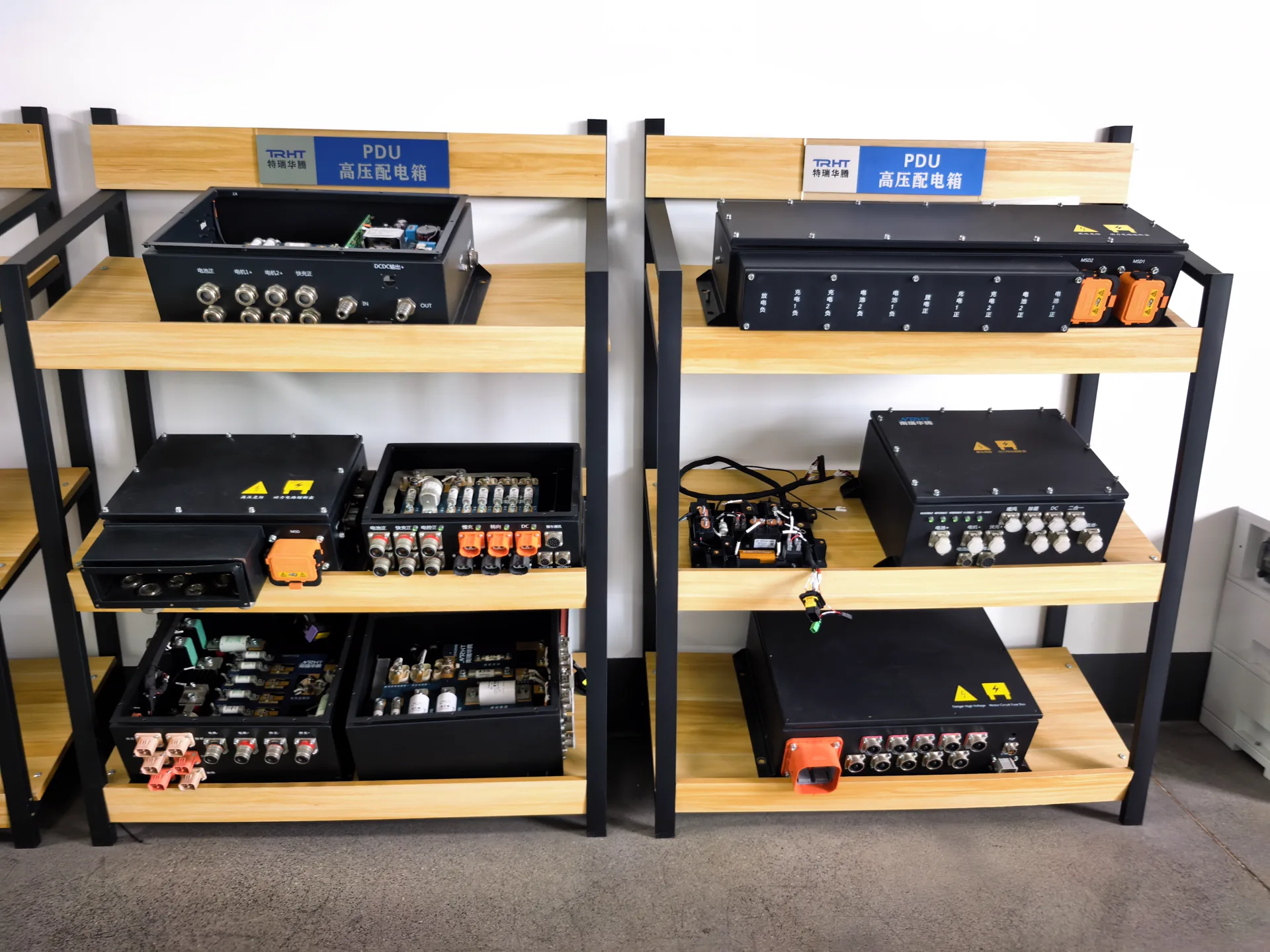
TRHT PDU product display: enclosure and connector arrangements.
Review object: Identify the proposed assembly and drawing revision before applying a build or inspection requirement.
Records to request: Request the applicable BOM/drawing index, assembly instruction revision and inspection checklist; availability and disclosure are confirmed for the project.
A display photograph does not establish the internal configuration, current rating or completed test results.
02 / 05
Production line
The production-line view provides context for reviewing assembly flow. The process and resources for a proposed build are agreed during project review.
- Confirm the sequence and responsibility of mechanical and electrical assembly.
- Review positioning and fixture needs for the proposed enclosure and interfaces.
- Agree the work instructions and revision controls applicable to the build.
- Review pilot or series quantities and scheduling separately; no capacity or lead time is implied by the photograph.
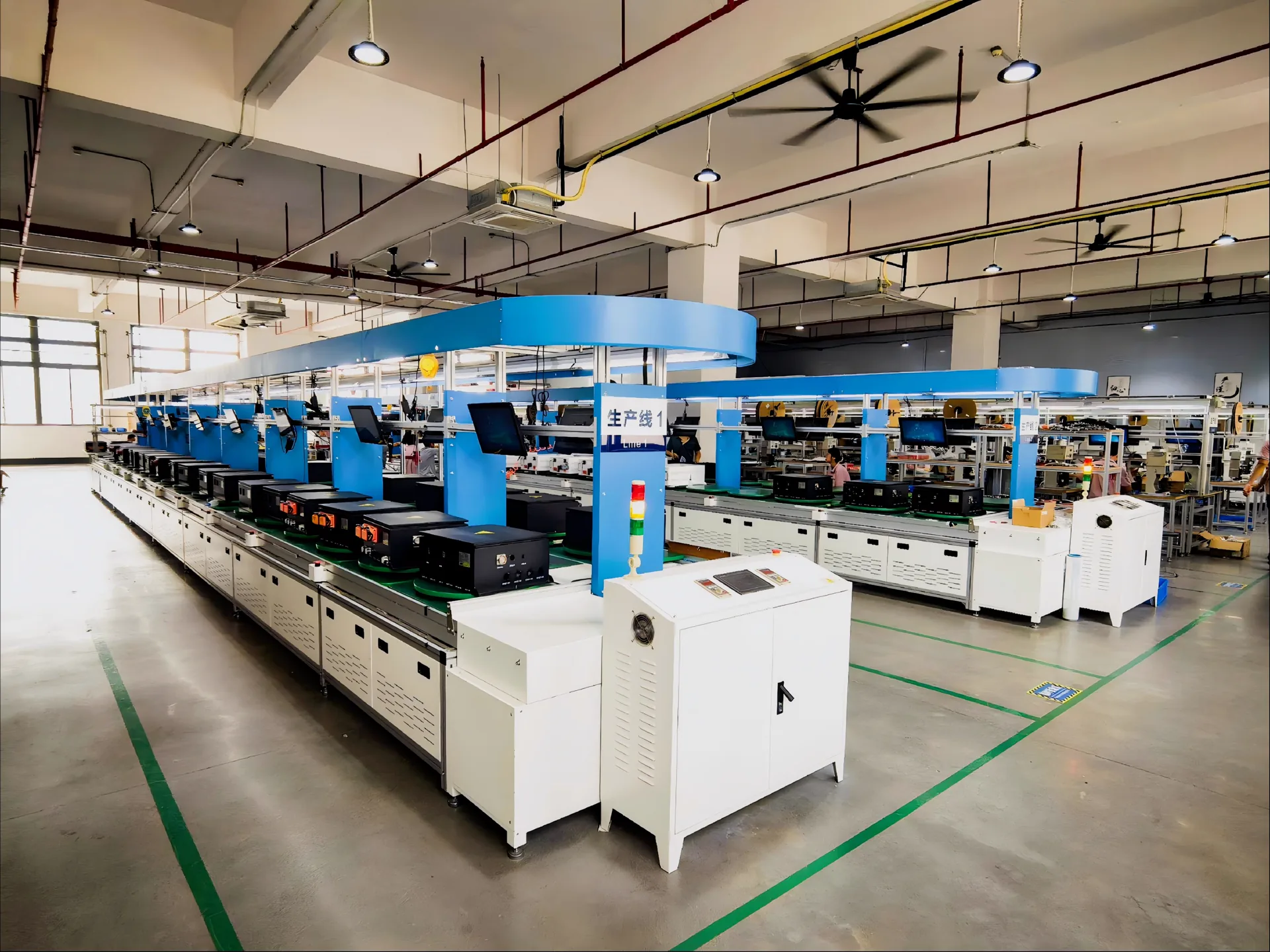
TRHT production workstations with products along the assembly line.
Review object: Assembly stages, handling and the interfaces between workstations for the proposed configuration.
Records to request: Ask which process-flow revision, work instructions and build records apply, and which non-confidential examples can be shared.
A line photograph does not quantify output, automation level or coverage of every product family.
03 / 05
Quality control
Define incoming, in-process and outgoing inspection scope against the proposed configuration and agreed acceptance criteria.
- Identify critical incoming parts and the inspection responsibility.
- Agree dimensional, connection and workmanship checks where applicable.
- Define enclosure and sealing checks separately from an ingress-protection claim.
- Confirm required identification, inspection and traceability records before release.
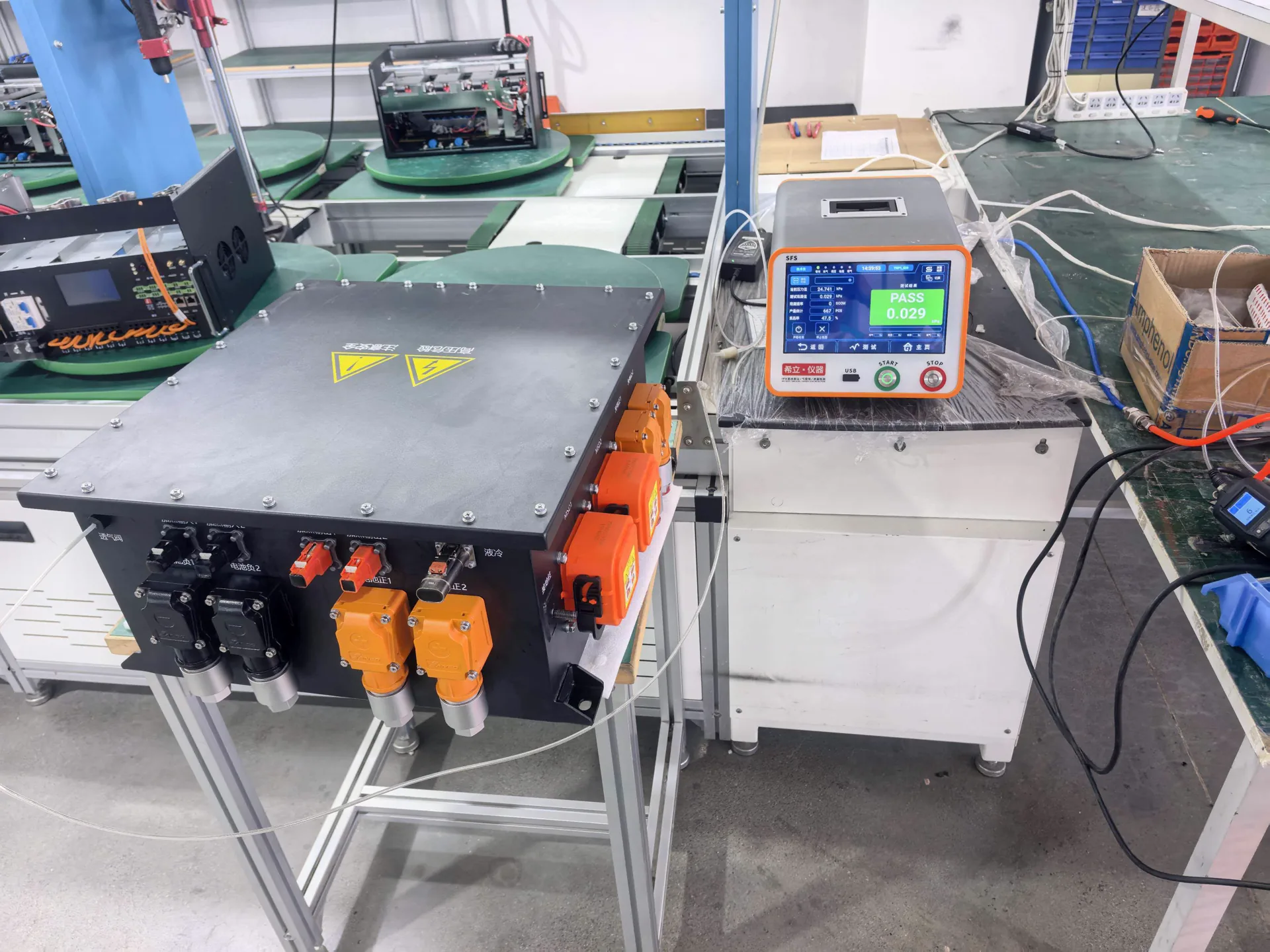
TRHT enclosure beside an airtightness-testing instrument.
Review object: Confirm the enclosure version, sealing configuration and the intended check before interpreting any displayed result.
Records to request: Request the applicable method, acceptance criterion, equipment status and configuration-linked record, subject to review and permitted disclosure.
This setup and its display do not establish an IP classification, a certified rating or a result for all units.
04 / 05
Testing equipment
Electrical and functional test requirements, responsibility and supporting records are defined for the proposed product configuration.
- Agree separate insulation-resistance and voltage-withstand requirements where applicable.
- Define functional states, protection responsibilities and interface checks.
- Confirm any thermal or enclosure-validation scope, conditions and test provider.
- Separate design-validation evidence from routine production checks and sampling.
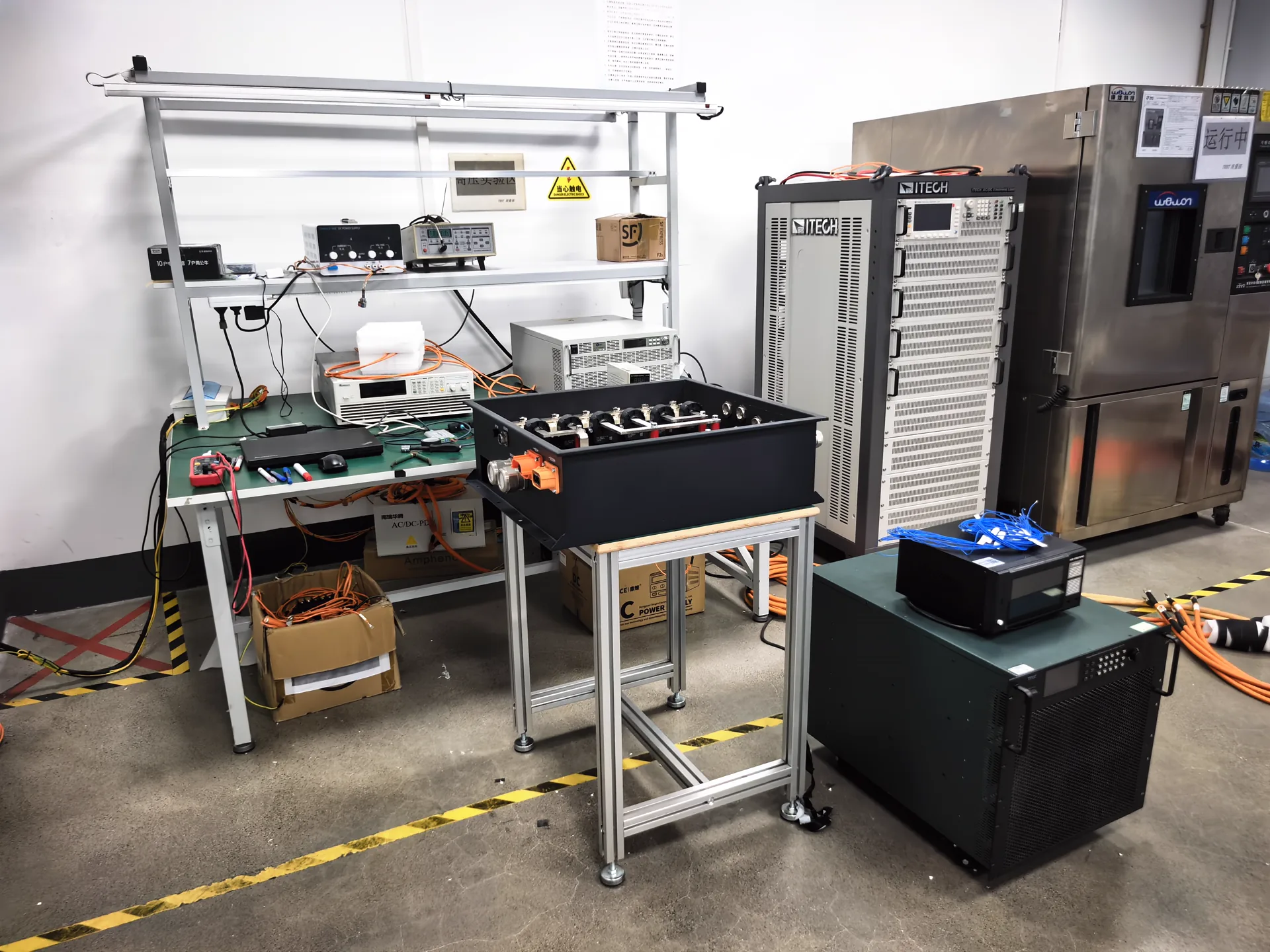
TRHT electrical-test work area with instruments and product assemblies.
Review object: Identify the device under test, connections, operating condition and verification objective.
Records to request: Ask for the approved test-plan revision and applicable completed reports; a plan or equipment list is not a completed result.
Equipment visible in the work area does not prove a test level, laboratory accreditation or universal in-house coverage.
05 / 05
Production planning
Review the transition from engineering samples to pilot or series builds against released requirements and agreed evidence.
- Engineering-sample scope and configuration to be agreed.
- Pilot or small-batch requirements to be reviewed against the project stage.
- Series release subject to approved design, process and quality requirements.
- Packing, identification and shipment documentation to be agreed for the destination.
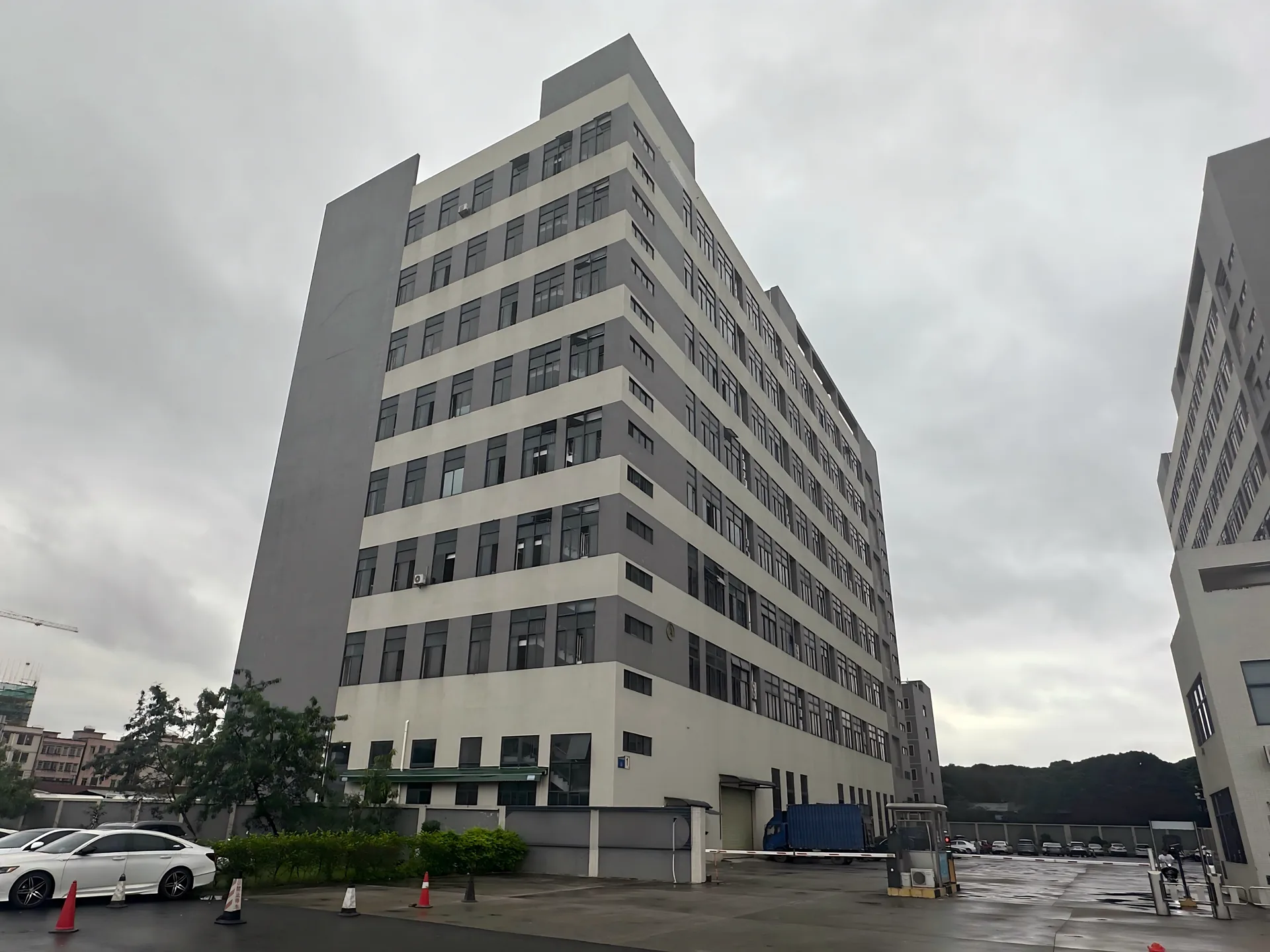
TRHT manufacturing-site exterior.
Review object: Discuss the site and production responsibilities relevant to the proposed build.
Records to request: Confirm the release checklist, build/inspection record requirements and permitted shipment-document package.
A site photograph is not evidence of capacity, a delivery schedule, certification or customer-specific production history.
Pilot or small-batch requirements to be reviewed against the project stage.
Series release subject to approved design, process and quality requirements.
Explore
From factory floor to product platforms
HV PDU Testing and Validation
Separate test plans, configuration-specific results and routine production records.
Continue →ESS PDU manufacturing
Review ESS PDU integration and project-specific manufacturing requirements.
Continue →EV PDU manufacturing
Review EV PDU interfaces, build scope and project requirements.
Continue →CDU Integrated System
Review the project-specific scope of integrated vehicle power systems.
Continue →Engineering support
Design-to-production path for OEM/ODM programs and customization.
Continue →ESS High-Voltage Junction Boxes
Review project-specific ESS HVJB functions, interfaces, and engineering requirements.
Continue →PDU RFQ Requirements Checklist
Prepare the technical inputs needed for an EV or ESS PDU engineering review.
Continue →Request a factory briefing
Discuss manufacturing scope, quality gates, and production planning for an ESS PDU or EV PDU program.