EV architecture guide
PDU vs BDU · Educational comparison and solution routing
PDU vs BDU in an EV: Typical Functional Differences
PDU and BDU labels often describe different centers of responsibility in a high-voltage vehicle system. Their exact boundary, placement, and integrated functions must be defined from the vehicle architecture.
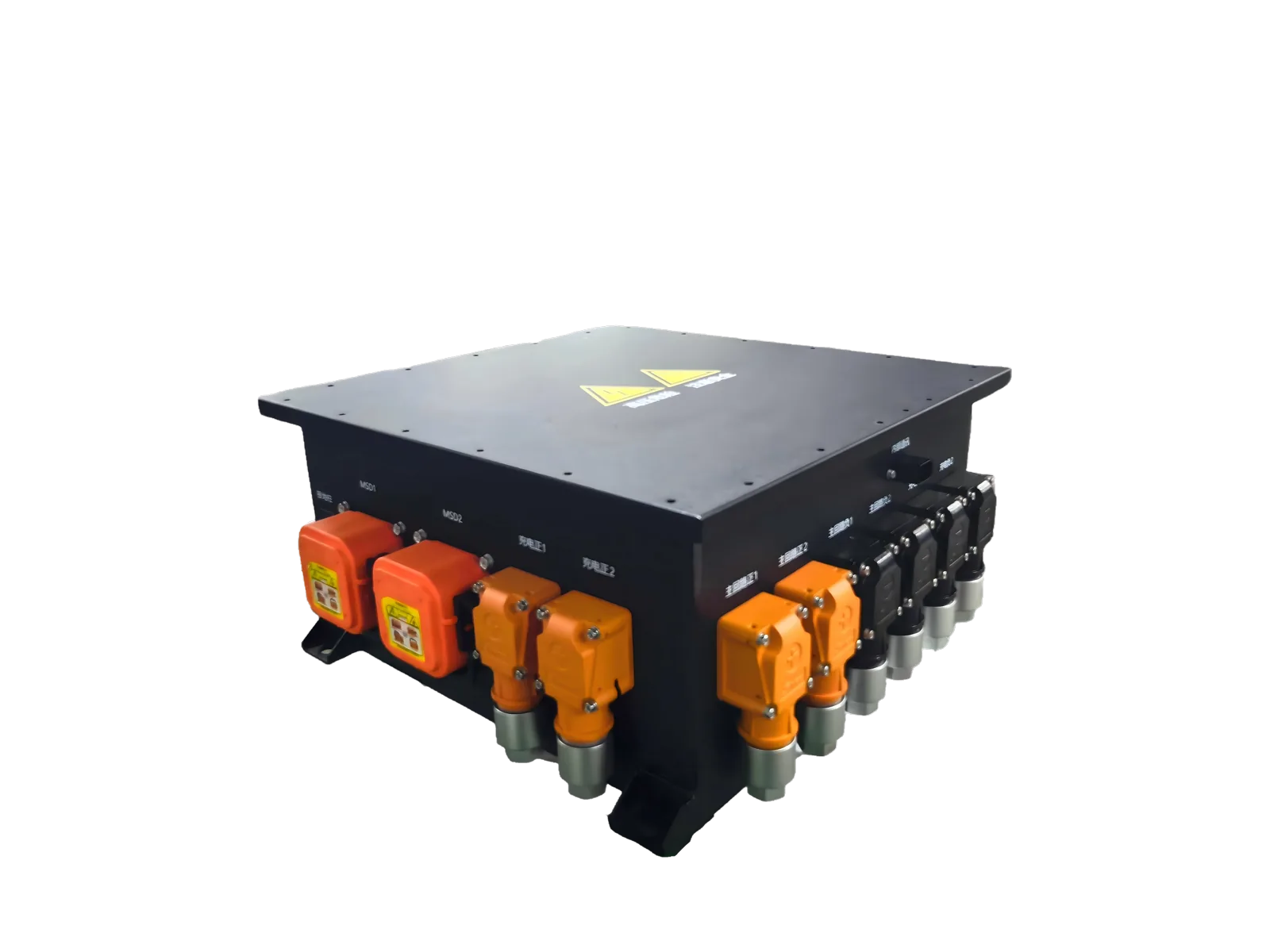
Short answer: typical PDU and BDU roles
An EV PDU usually distributes protected high-voltage power to vehicle loads. A BDU/BJB usually manages battery-side isolation and connection. A vehicle can divide, combine, or rename these functions.
Typical EV PDU functions
- High-voltage branch distribution and protection
- Contactor, fuse, sensing, HVIL, connector, busbar, and control integration
- Interfaces to traction, charging, conversion, thermal, and auxiliary loads where defined
Typical BDU/BJB functions
- Battery-side isolation, main connection, and pre-charge
- Fuse, sensing, service disconnect, HVIL, and pack interfaces
- Control sequencing and diagnostics defined with the BMS/VCU architecture
Where functions may overlap or be integrated
A compact vehicle architecture may combine distribution and battery disconnect functions; another may separate them for packaging, service, or control reasons. Do not assume a universal boundary from the label alone.
How to identify the right RFQ category
Send the vehicle SLD, battery and load map, voltage/current duty, fault assumptions, protection, interfaces, envelope, and project stage. Engineering can then route the review toward EV PDU, BDU/BJB, CDU, or a combined architecture.
Architecture comparison
Typical PDU and BDU distinctions
| Aspect | PDU | BDU / BJB |
|---|---|---|
| Typical role | Distributes and protects high-voltage power to defined vehicle loads. | Centers on battery isolation, main connection, pre-charge, and service functions. |
| Typical functions | Branch outputs, contactors, fuses, sensing, HVIL, connectors, busbars, and control interfaces as required. | Main contactors, pre-charge, fuse, sensing, service disconnect, HVIL, and pack interfaces as required. |
| RFQ starting point | Load map, outputs, duty, protection, vehicle packaging, and control interfaces. | Battery/BMS data, fault assumptions, contactor logic, pre-charge, service, and pack envelope. |
Evidence context
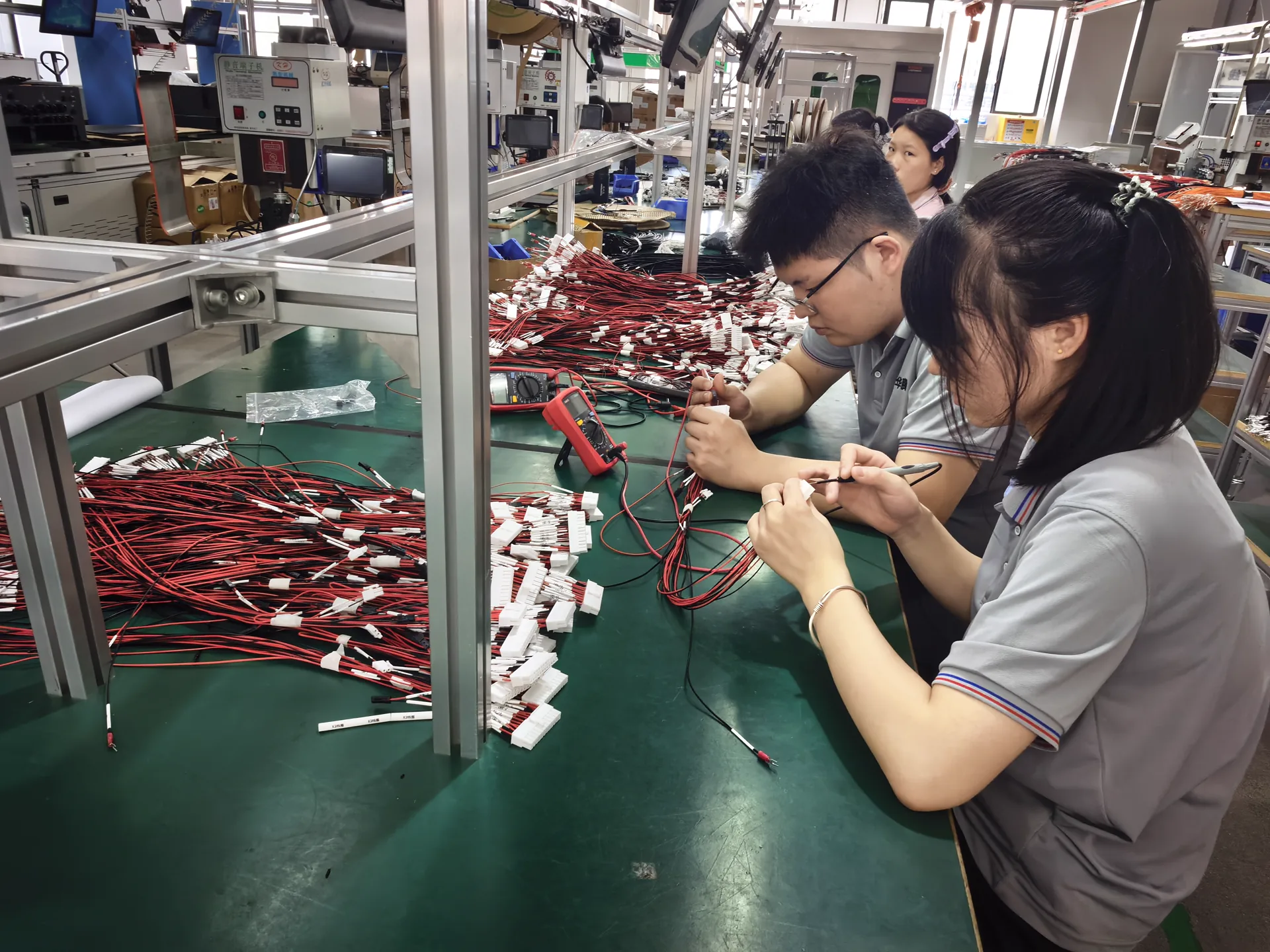
Real TRHT engineering and testing context
These visuals support a conservative engineering and workmanship context. They do not identify an exact model or prove a universal rating, certification, customer case, or completed validation result.
Buyer questions
Frequently asked questions
What is the typical difference between a PDU and BDU in an EV?
A PDU typically distributes protected power to vehicle loads, while a BDU/BJB typically centers on battery isolation and connection. The architecture defines the boundary.
Is a BJB the same as a BDU?
The terms overlap in industry. A BDU often emphasizes disconnect functions; a BJB may describe a broader battery junction and protection assembly.
Can PDU and BDU functions be integrated?
Yes, functions may be combined or separated depending on packaging, service, protection, control, and vehicle architecture.
Which unit distributes power to vehicle loads?
The PDU commonly performs that role, but the final ownership of branches and outputs should be confirmed from the SLD.
Continue your review
Related TRHT resources
Move from category understanding to architecture review, factory context, or an RFQ conversation.