Operating window, continuous/peak current, and duration
State minimum, nominal, and maximum operating voltage, continuous current, peak current, duration, duty cycle, and thermal assumptions.
EV PDU selection guide
how to select EV PDU · Buyer guide and manufacturer-evaluation guide
A useful EV PDU evaluation starts with the vehicle architecture and a complete requirement package. Supplier comparison should focus on engineering review, interface discipline, protection reasoning, and validation planning rather than unsupported fixed ratings.
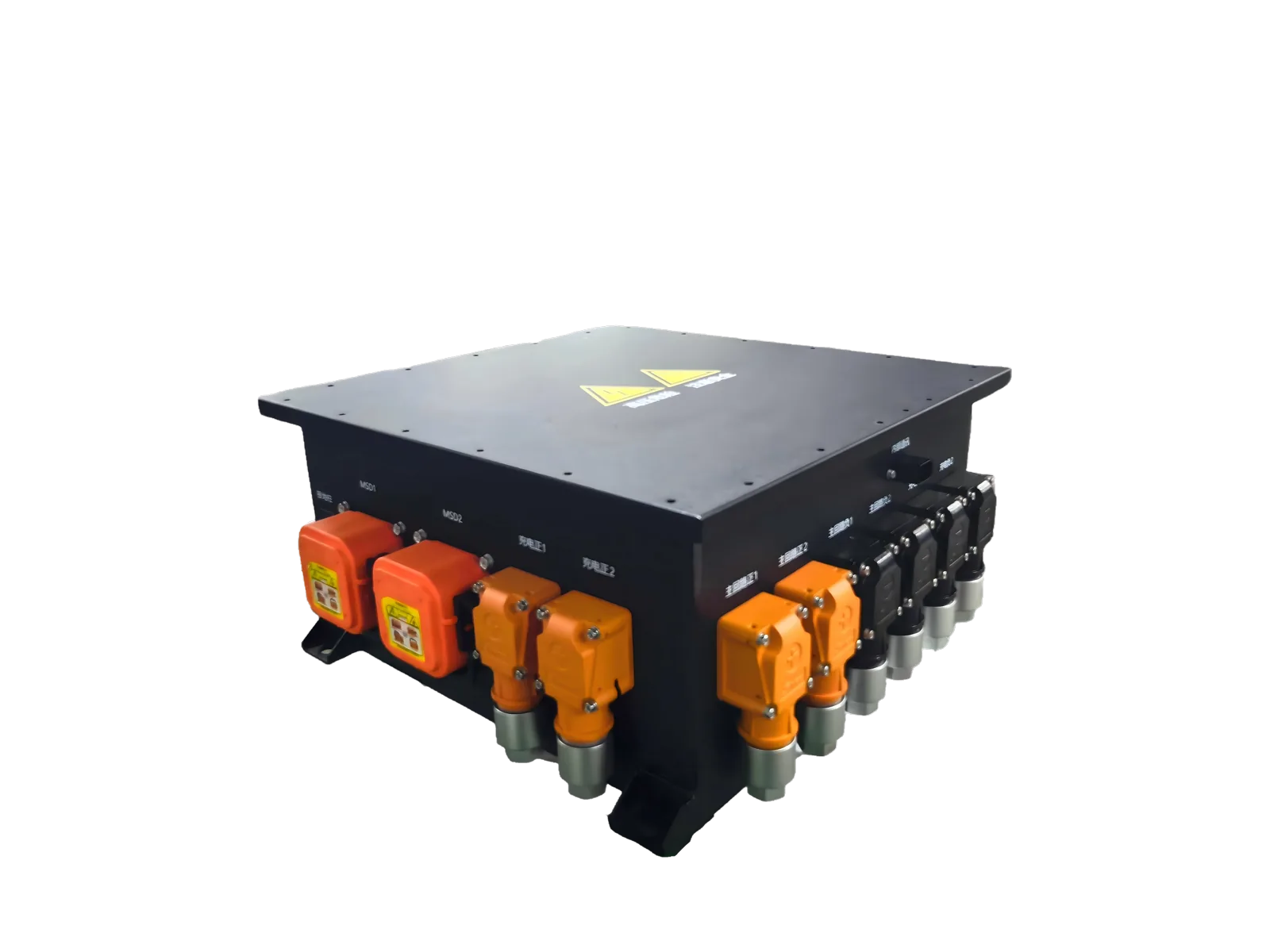
Share the SLD, battery boundary, load ownership, charging/conversion interfaces, service strategy, and project stage before comparing package details.
State minimum, nominal, and maximum operating voltage, continuous current, peak current, duration, duty cycle, and thermal assumptions.
Identify traction, charging, conversion, thermal, auxiliary, and service branches, including connector, fuse, contactor, and sensing expectations.
Ask for requirement-review method, drawings/BOM discipline, prototype planning, interface freeze, DVP&R and EOL planning, and evidence that is relevant to the proposed configuration. Process visuals do not prove completion for every product.
A practical first package includes the SLD, load list, duty, protection and control logic, mechanical envelope, interfaces, environment, project stage, sample context, and target production context.
Buyer checklist
Voltage window, current duty, duration, load branches, SLD, and fault assumptions.
Contactors, pre-charge, fuses, HVIL, sensing, BMS/VCU logic, and communications.
Envelope, mounting, connectors, cooling, sealing/IP target, environment, service, and quantity.
Evidence context
These visuals support a conservative engineering and workmanship context. They do not identify an exact model or prove a universal rating, certification, customer case, or completed validation result.
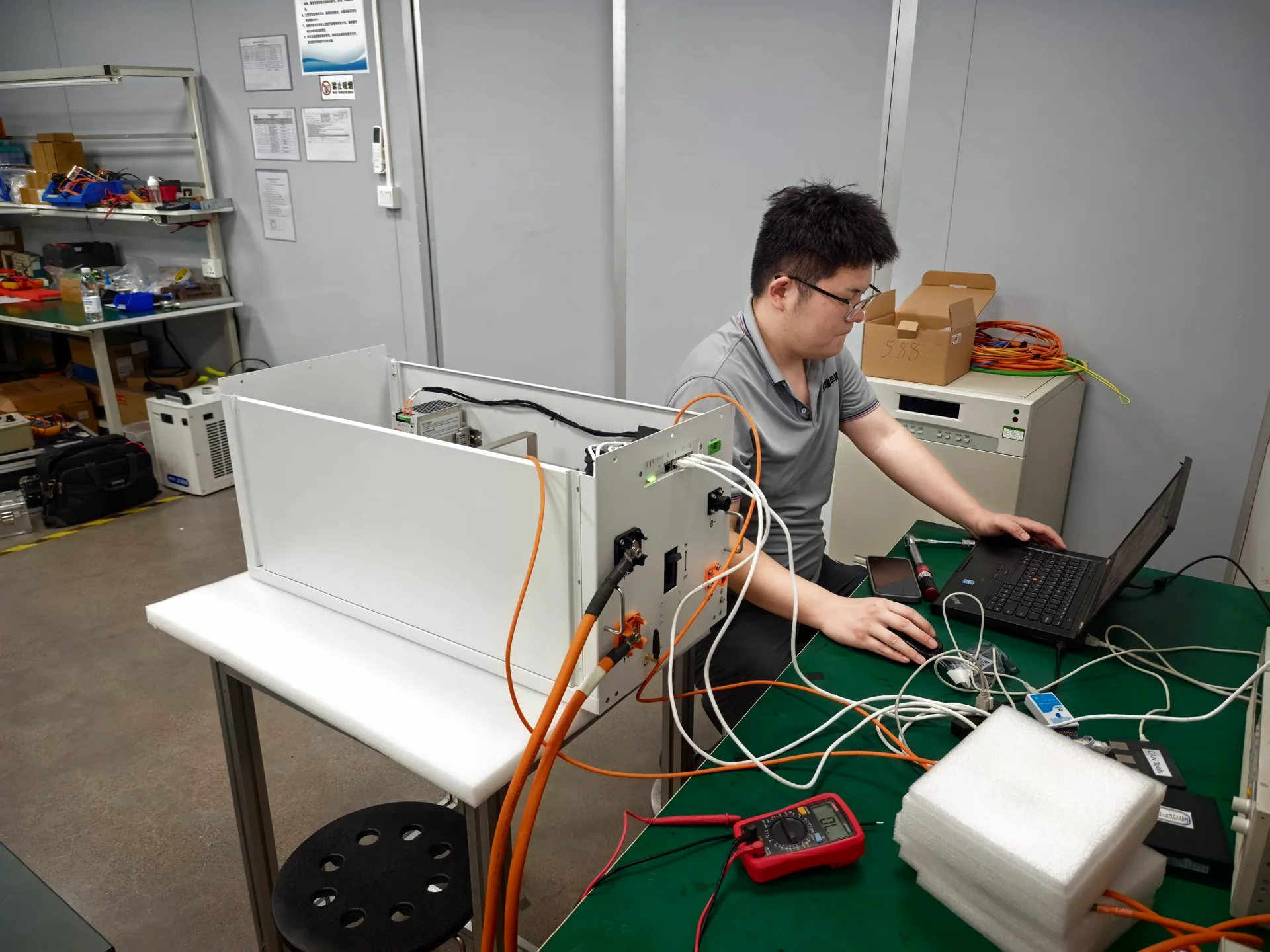
Buyer questions
Provide the SLD, voltage/current duty, load list, protection, control interfaces, connectors, envelope, environment, project stage, and quantity context.
It shows power paths, branch ownership, protection relationships, and interfaces that cannot be inferred from a product label.
State each value, duration, duty cycle, operating voltage, thermal assumptions, and whether the value is normal, transient, or fault-related.
Commercial and technical quotation depends on a sufficiently defined architecture, inputs, interfaces, and review scope; no fixed public timing is promised.
Continue your review
Move from category understanding to architecture review, factory context, or an RFQ conversation.