Cluster isolation and distribution
An HVJB can organize battery-cluster connection, isolation, pre-charge, protection, sensing, and interfaces to the next DC stage. The exact boundary follows the project architecture.
ESS HVJB engineering
high voltage junction box · Controlled ESS HVJB platform hub
TRHT supports project-based high-voltage junction box engineering for battery clusters and storage architectures. The role, target window, protection, interfaces, and validation plan are defined from the system single-line diagram and fault data.
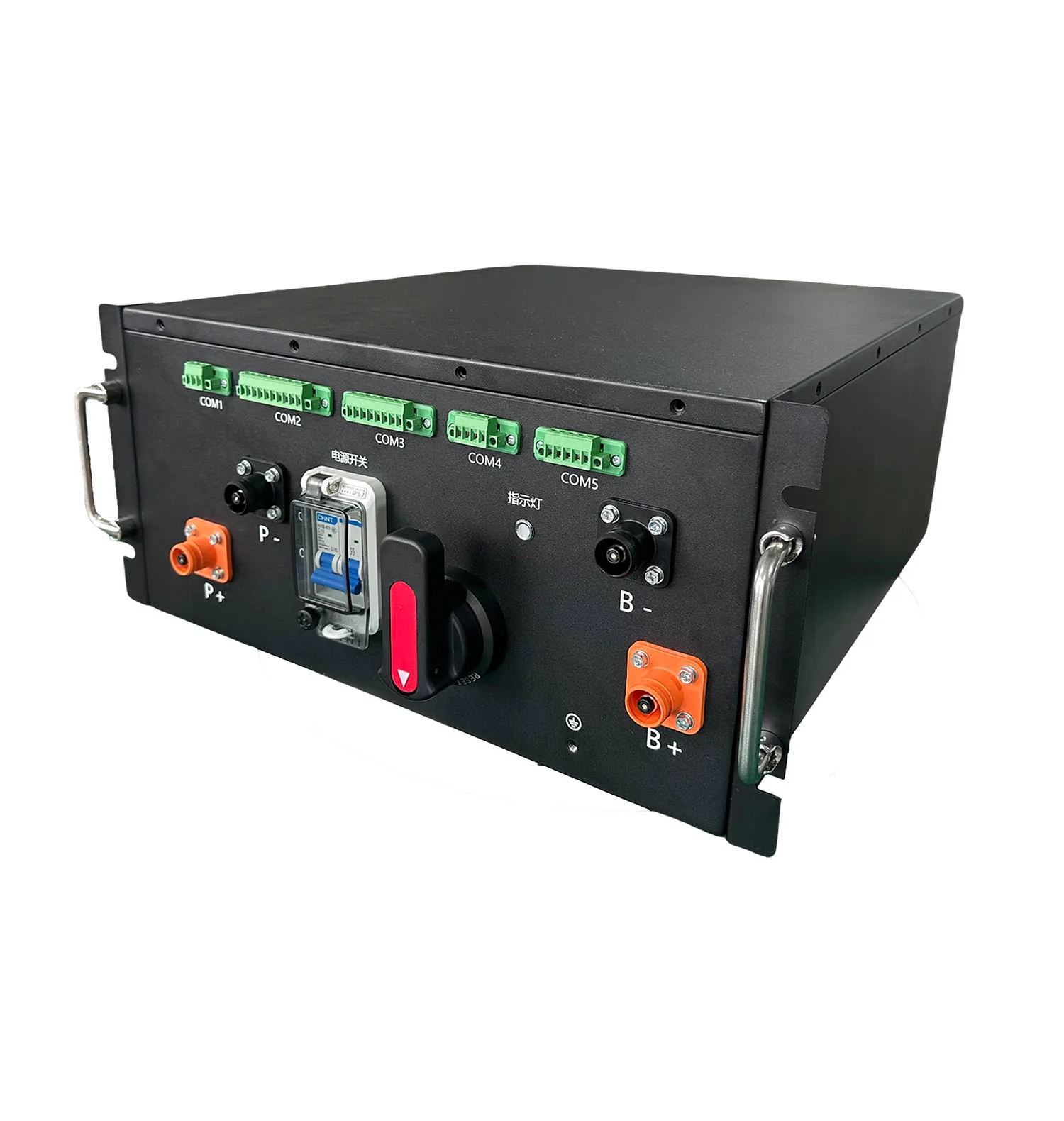
An HVJB can organize battery-cluster connection, isolation, pre-charge, protection, sensing, and interfaces to the next DC stage. The exact boundary follows the project architecture.
Voltage window, continuous and peak duty, prospective fault current, time constant, thermal conditions, enclosure, and service strategy determine a reviewable design.
A controlled reference describes a 600-750VDC target window, 250A continuous target, and 400A/10s peak target with project-defined switching, pre-charge, sensing, communications, and enclosure options.
A controlled reference describes a 600-1000VDC target window, 400A continuous target, and 600A/10s peak target. Thermal, fault, enclosure, and communication review remains open.
Final electrical, thermal, mechanical, interface, and validation limits are confirmed from project data. Reference values are not universal released ratings.
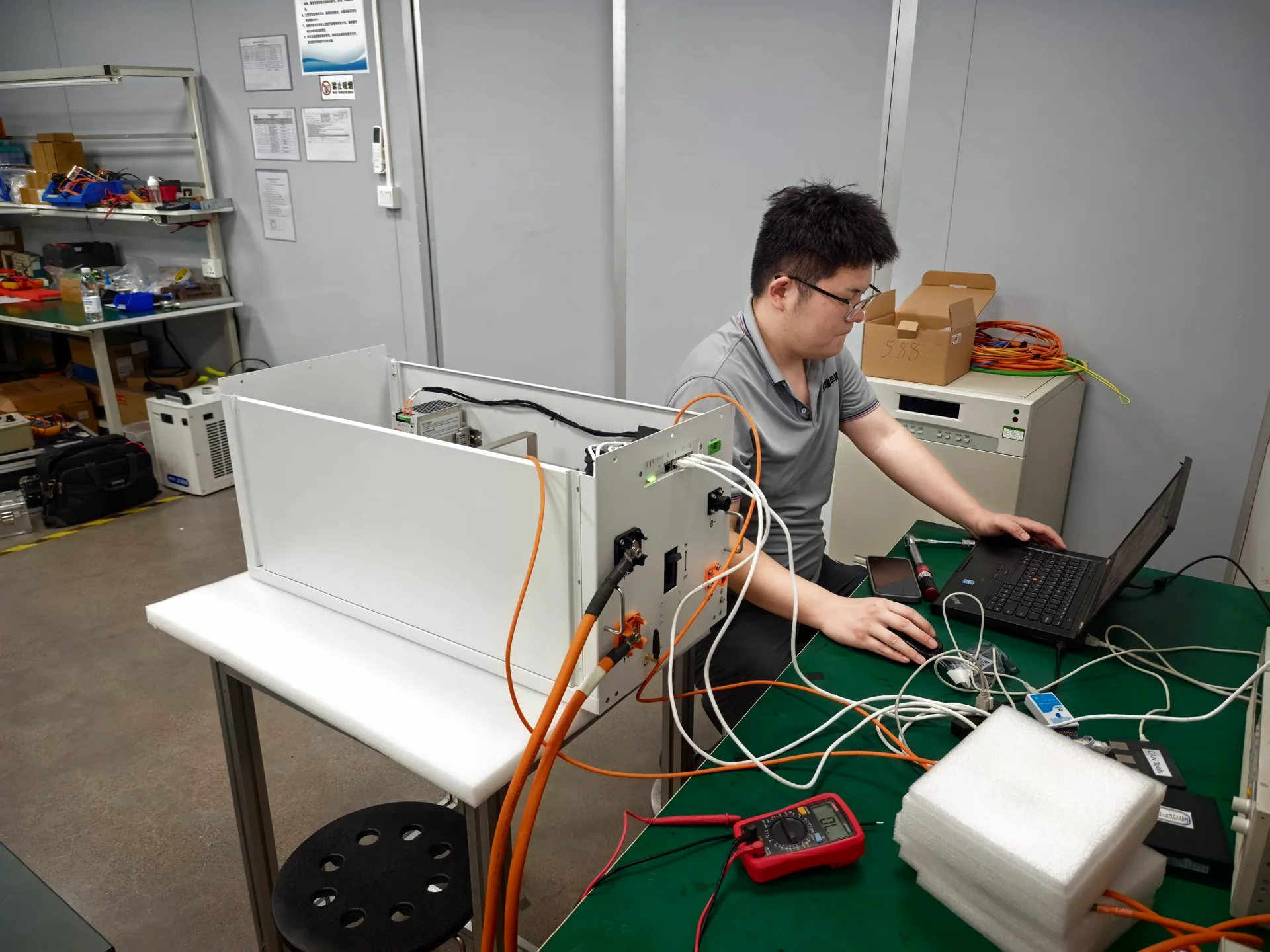
DVP&R, EOL checks, insulation, switching, thermal, enclosure, and communication acceptance criteria must be agreed for the selected configuration. Factory and testing visuals provide process context, not proof of every model or rating.
An HVJB commonly centers on cluster-level isolation and protection. A multi-branch PDU commonly adds a main bus and protected branch outputs. The SLD, fault strategy, and service requirements determine which role is appropriate.
Evidence context
These visuals support a conservative engineering and workmanship context. They do not identify an exact model or prove a universal rating, certification, customer case, or completed validation result.
Buyer questions
It is a project-defined high-voltage assembly that may provide battery-cluster isolation, pre-charge, protection, sensing, and interfaces.
No. 400A is a controlled reference target for a specific ESS record and requires project thermal, fault, protection, and validation review.
Prospective fault current, battery resistance, time constant, duty, branch topology, and protection assumptions support selection.
Target communication interfaces can be reviewed; frames, diagnostics, ownership, and acceptance criteria must be frozen for the project.
An HVJB typically emphasizes cluster isolation and protection, while a multi-branch PDU adds a bus and protected outputs. The system SLD defines the boundary.
Continue your review
Move from category understanding to architecture review, factory context, or an RFQ conversation.