Voltage window and current duty
State minimum, nominal, maximum, continuous, peak, duration, duty cycle, and transient conditions.
PDU RFQ checklist
PDU RFQ requirements · RFQ checklist and buyer-enablement resource
A meaningful PDU engineering review starts with the system diagram, duty, protection, interfaces, packaging, environment, and project context. This public checklist helps buyers organize safe, relevant inputs without exposing internal commercial fields.
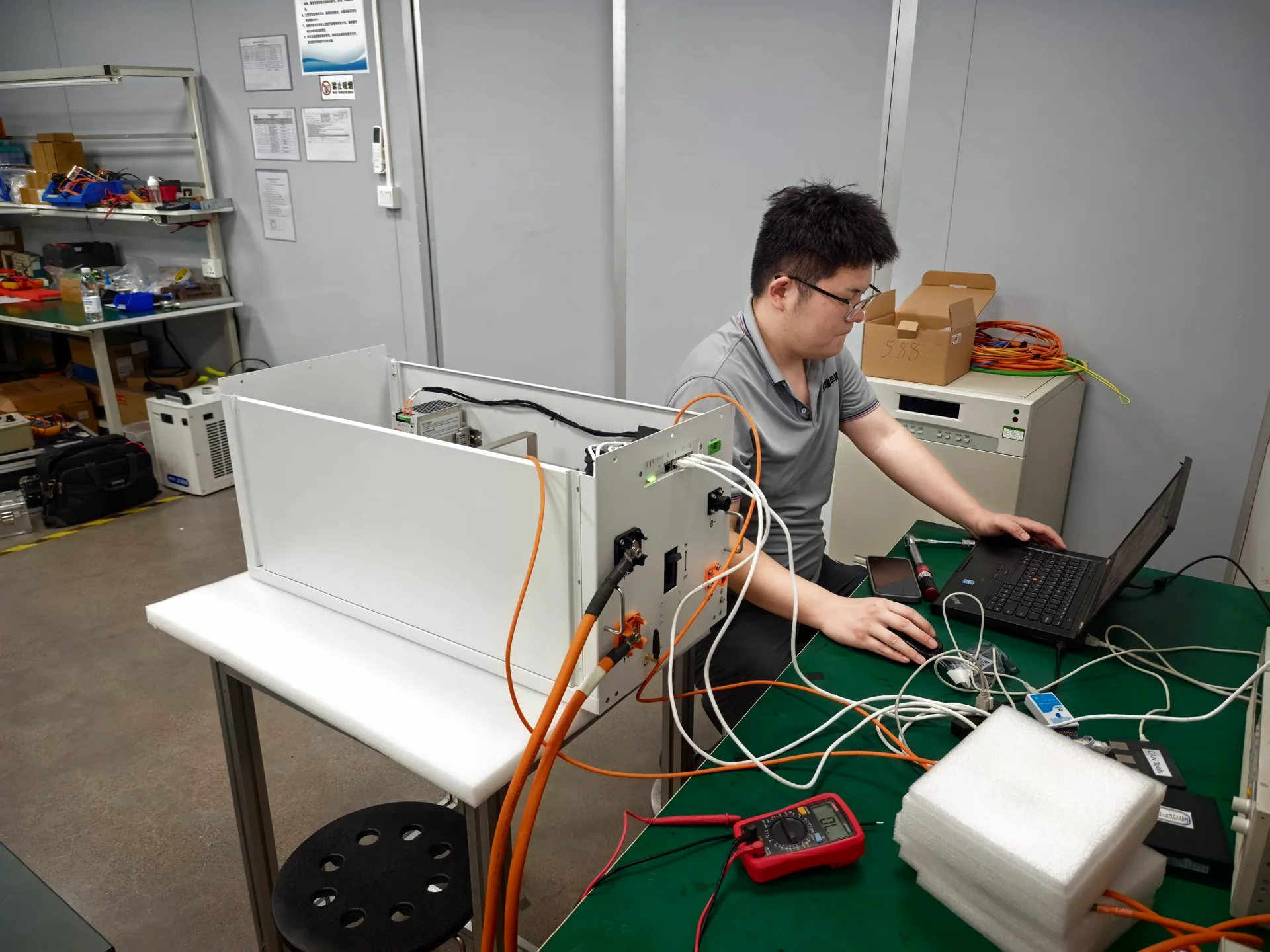
Send the available SLD, voltage/current duty, load or branch list, protection intent, control interfaces, mechanical envelope, environment, project stage, and quantity context. Preliminary information can be labeled as such.
State minimum, nominal, maximum, continuous, peak, duration, duty cycle, and transient conditions.
Identify each output, branch owner, load type, connector, protection, switching, sensing, and service relationship.
Provide prospective fault current, battery resistance, time constant, bus capacitance, coordination assumptions, pre-charge, fuse, breaker, contactor, and HVIL needs.
Identify applicable project standards and acceptance criteria. DVP&R, EOL, insulation, switching, thermal, enclosure, and communication tests should be planned against the approved configuration; no completed test or certification is implied by this checklist.
State project stage, prototype/sample context, target production context, expected quantities if available, drawing maturity, and requested engineering deliverables. Commercial terms are reviewed separately and are not promised here.
Engineering can review completeness, clarify the architecture, identify open inputs, align interfaces and protection assumptions, and define a project-specific proposal and validation plan. No fixed quotation timing, MOQ, lead time, or response promise is made.
Buyer checklist
Show battery, PDU/HVJB, loads or branches, protection, control ownership, and interfaces.
Provide voltage window, current duty, duration, prospective fault current, resistance, time constant, and coordination assumptions.
Include mechanical envelope, connectors, cooling, environment/IP, project stage, quantity, and validation expectations.
Evidence context
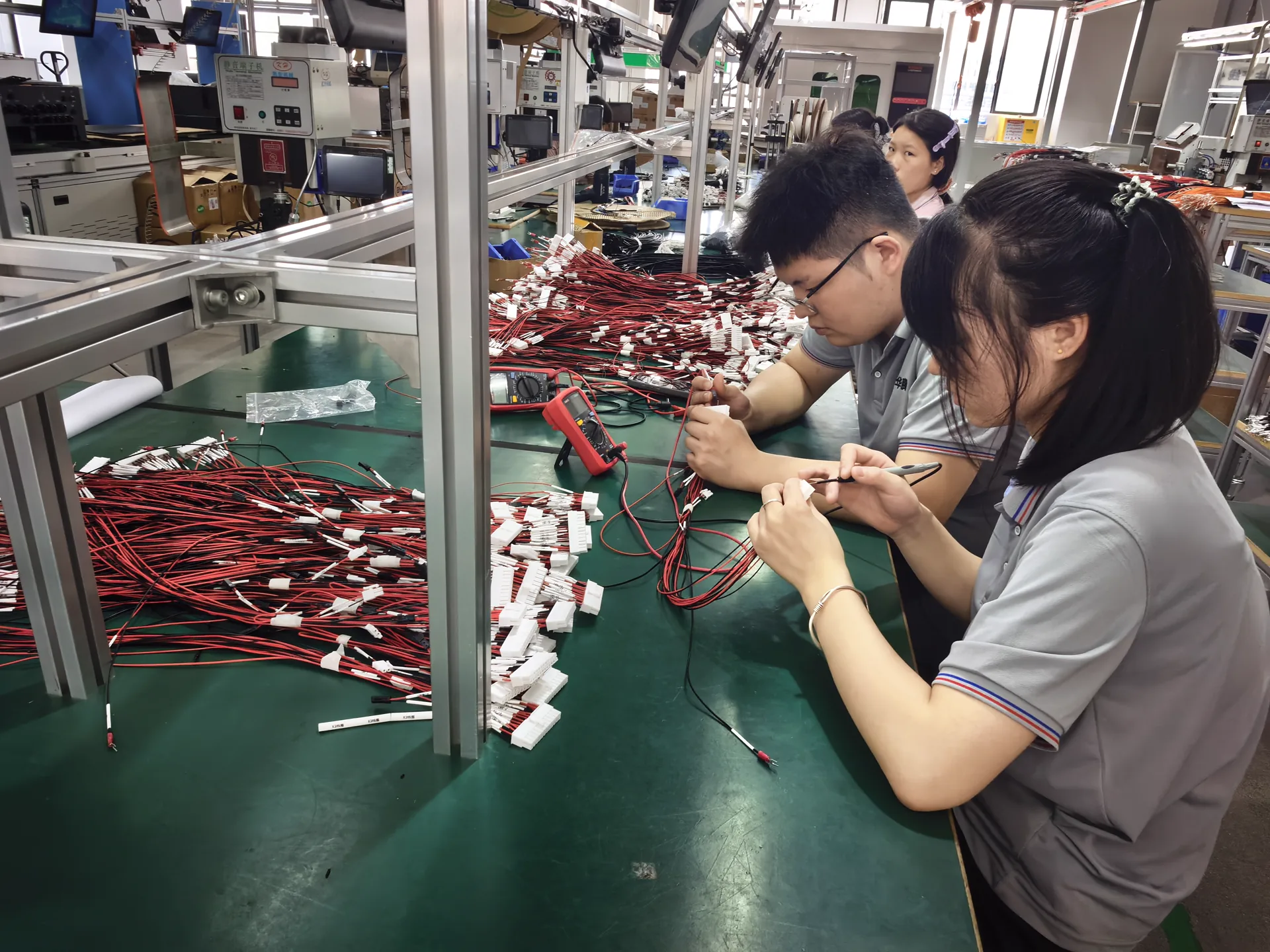
These visuals support a conservative engineering and workmanship context. They do not identify an exact model or prove a universal rating, certification, customer case, or completed validation result.
Buyer questions
Provide the SLD, voltage/current duty, load or branch list, fault/protection data, controls, interfaces, mechanical envelope, environment, project stage, and quantity context.
It is strongly preferred because it shows power paths, branch ownership, protection, and interfaces that a product name cannot define.
State peak value, operating voltage, duration, repetition/duty cycle, thermal assumptions, and whether it is normal, transient, or fault-related.
An early engineering review can identify gaps, but a final technical/commercial proposal depends on sufficiently defined architecture, interfaces, protection, and scope.
Continue your review
Move from category understanding to architecture review, factory context, or an RFQ conversation.