TRHT

Controlled reference targets

1000V ESS PDU · Controlled reference-platform page

1000V ESS PDU and 400A HVJB Reference Platforms

TRHT's controlled ESS records describe two related 1000V-class roles: a cluster-level HVJB and a multi-branch DC PDU. The values below are reference or target design windows with open release gates, not guaranteed product ratings.

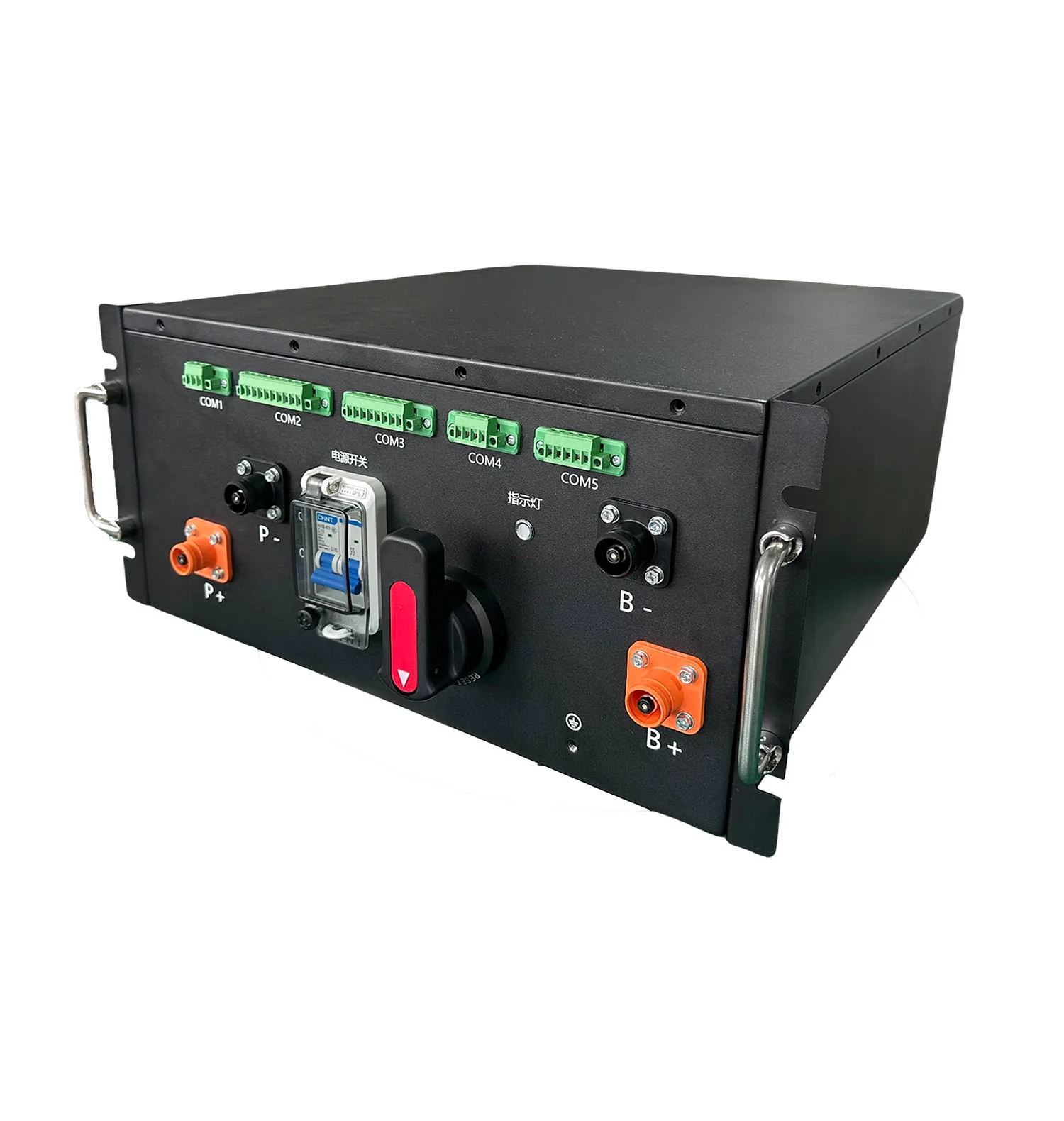
TRHT ESS high-voltage power distribution unit

Two 1000V distribution roles

Cluster-level 1000V/400A HVJB reference target

The controlled HVJB record describes a 600–1000VDC target window, 400A continuous target, and 600A/10s peak target with dual main contactors, pre-charge, main fuse, sensing, diagnostics, and CAN/RS485 target interfaces.
1000V/400A multi-branch DC PDU reference target

The controlled DC PDU record describes a 1000VDC maximum working-voltage target, 400A main-bus target, 2–6 branches, and 60–250A per-branch target windows with selectable fuse, isolator, or DC-breaker protection.

Controlled reference design windows

HVJB operating window, current targets, main circuit, sensing, and communication

The HVJB target record includes -30 to 55°C baseline environmental guidance and IP54/IP65 target options. Thermal, fault, enclosure, and communication conditions remain subject to project validation.

DC PDU main-bus, branch-count, branch-current, protection, and installation targets

The multi-branch target record includes IP20 cabinet or IP54 independent-enclosure targets, branch sensing/contactors/SPD/HVIL options, and CAN/RS485 target interfaces. Final protection and interface ownership must be frozen.

Inputs required to select and engineer the platform

  • System SLD and battery/PCS topology
  • Operating voltage window, continuous/peak current and duty duration
  • Prospective fault current, battery resistance and time constant
  • Branch list, protection coordination and service strategy
  • Thermal, environmental, enclosure, communication and installation requirements

Protection, thermal, environmental, and communication validation

A target window is not a completed validation result. Engineering review must confirm thermal derating, fault coordination, insulation and enclosure requirements, communication frames, and acceptance tests for the chosen configuration.

Project deliverables and open release gates

Before a production release, the project still needs aligned drawings, BOM, protection and communication definitions, product-to-photo mapping, DVP&R, EOL criteria, and certification scope where applicable. The 125kW/261kWh working-voltage conflict is intentionally not included.

Evidence context

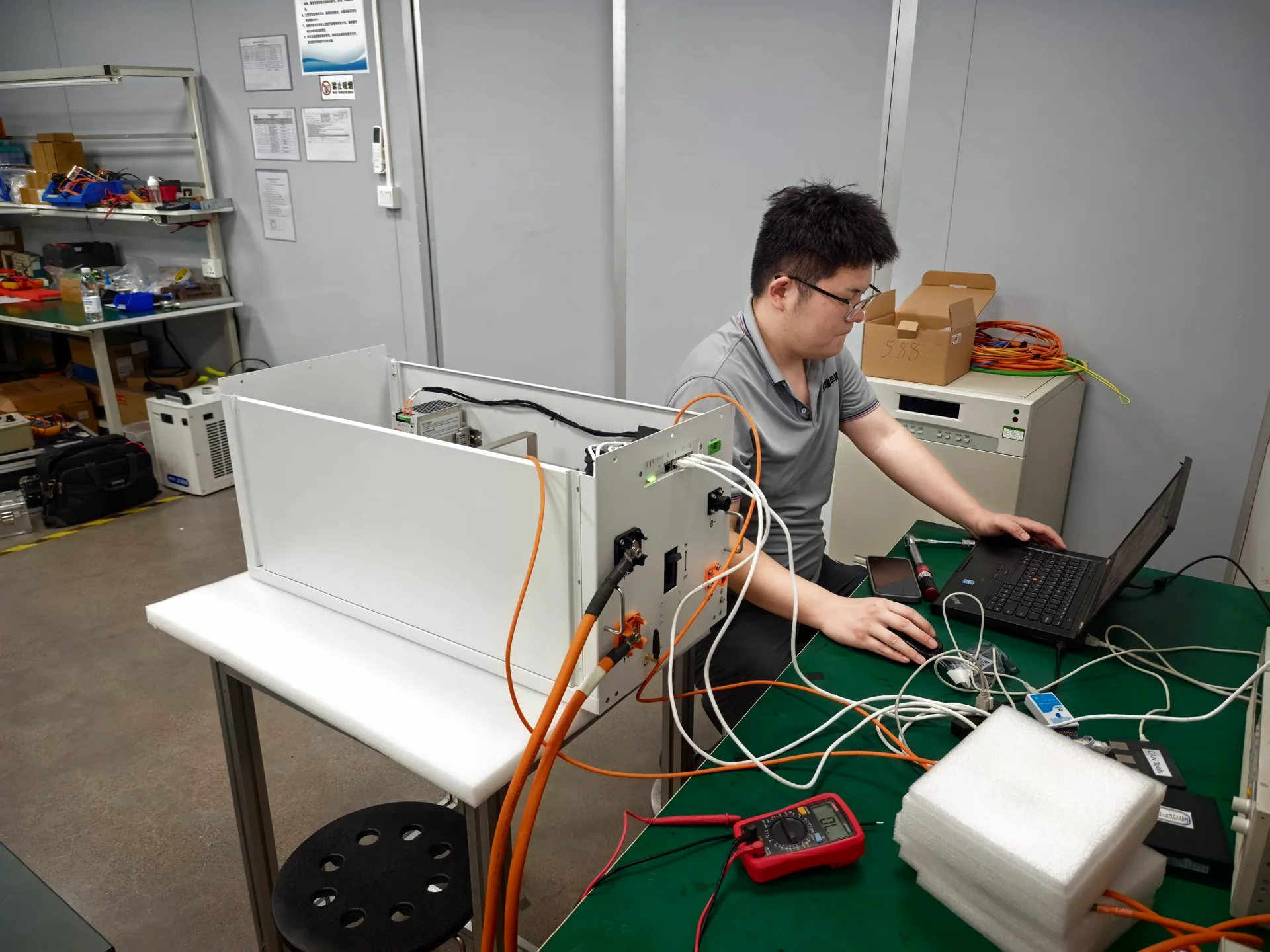
Real TRHT engineering and testing context

These visuals support a conservative engineering and workmanship context. They do not identify an exact model or prove a universal rating, certification, customer case, or completed validation result.

TRHT functional testing of a high-voltage power unit

Buyer questions

Frequently asked questions

What is the difference between the 1000V HVJB and multi-branch DC PDU?

The HVJB reference centers on cluster-level main isolation and protection. The multi-branch DC PDU reference centers on a main bus with multiple protected branches. The SLD and service strategy determine the role.

Are 400A and 1000V guaranteed ratings?

No. They are controlled reference or target values for specific ESS records. Final ratings require project thermal, fault, protection, interface, and validation review.

What fault data are required?

Provide prospective fault current, battery resistance, time constant, load duty, branch topology, and protection coordination assumptions so the switching and protection design can be evaluated.

How many branches can the reference PDU support?

The controlled multi-branch target record describes 2–6 branches with 60–250A per-branch target windows. Final branch count and current are project-defined.

Which communication interfaces are reference options?

CAN and RS485 appear as target interface options in the controlled records. Frames, baud rates, diagnostics, and ownership must be frozen for the project.

What must be validated before production release?

The project must align drawings, BOM, protection coordination, thermal/environmental limits, communications, DVP&R, EOL criteria, and applicable compliance scope before release.

WhatsAppRFQ