Battery-cluster, PCS/DC-bus, and protected-load interfaces
An ESS PDU or HVJB can organize high-voltage paths between battery clusters, PCS/DC buses, and protected branches. The exact topology follows the system single-line diagram.
Custom ESS PDU capability
custom ESS PDU · Product category / ESS distribution and protection platform overview
TRHT supports project-based ESS PDU and HV distribution engineering for battery energy storage architectures. Scope is defined around the battery/rack arrangement, PCS or DC-bus interface, protection strategy, enclosure, communications, and validation plan.
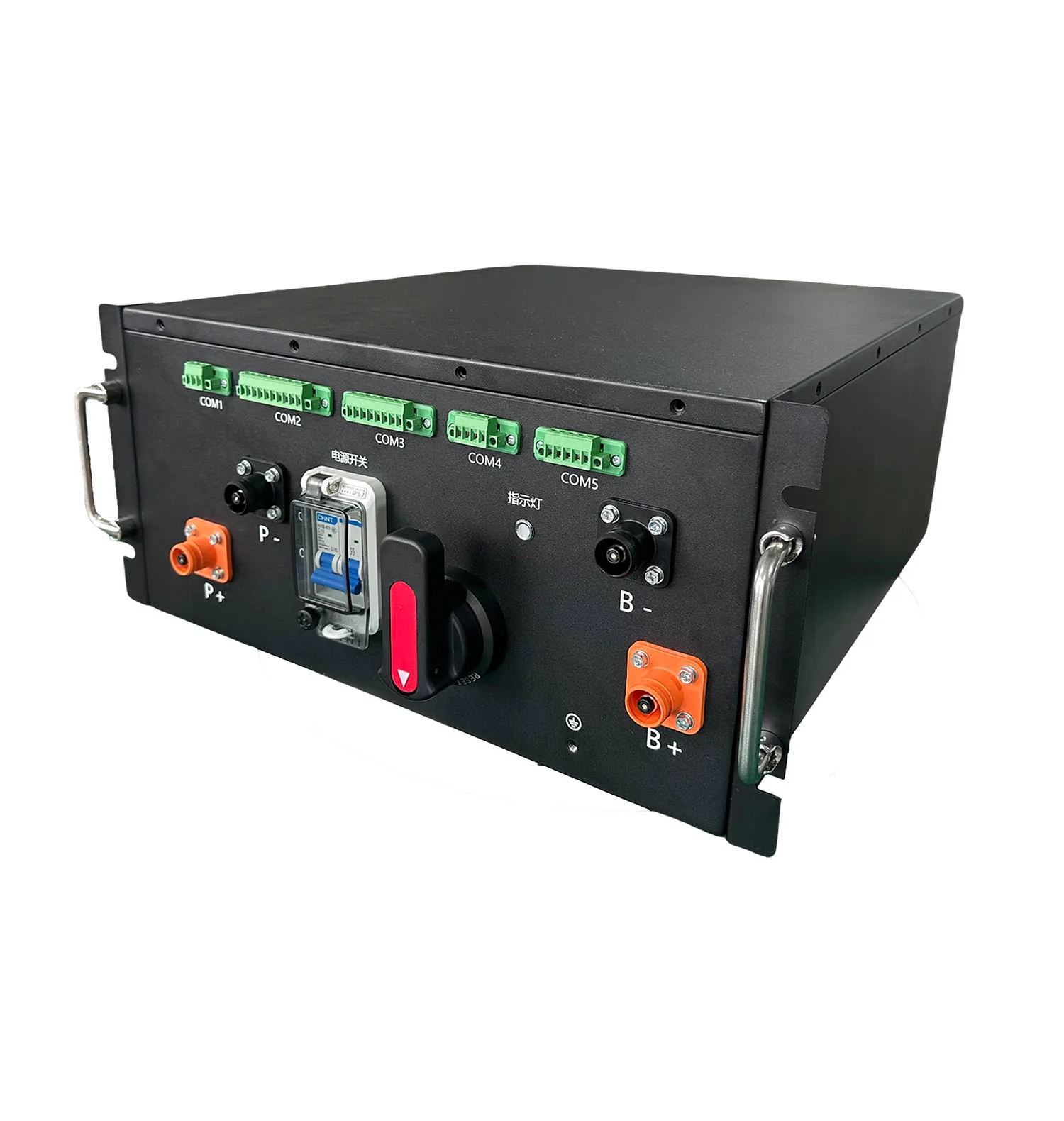
An ESS PDU or HVJB can organize high-voltage paths between battery clusters, PCS/DC buses, and protected branches. The exact topology follows the system single-line diagram.
Project scope may include contactors, pre-charge, fuses or breakers, current/voltage sensing, insulation-monitoring interfaces, busbars, harnesses, and communications.
Controlled ESS master records describe 750V/250A and 1000V/400A HVJB reference targets. Values remain target or conditional design windows pending system, thermal, protection, and validation review.
A 1000V maximum, 400A main-bus, multi-branch DC PDU target is described for project-defined branch protection and interface coordination. It is not a universal released rating.
The controlled target window is 600–750VDC with a 250A continuous target and 400A/10s peak target, subject to final thermal, fault, and validation conditions.
The controlled 1000V-class records describe 600–1000VDC and 400A continuous HVJB targets, plus a 1000V maximum/400A bus multi-branch PDU target. Treat these as reference windows, not guarantees.
Final protection selection requires system and fault data, thermal review, interface definition, and an agreed validation plan. DVP&R and EOL templates describe process planning; they do not prove that every platform has completed the named tests.
TRHT's defensible C&I scope is HVJB/DC PDU, busbar and harness support, interface coordination, and test support. Complete cells, packs, BMS/EMS, PCS, cooling, fire protection, and whole-system certification remain system or partner scope unless separately contracted.
The capability is relevant to battery cabinets, cluster distribution, PCS/DC-bus interfaces, protected branches, and related high-voltage storage architectures. The specific application, responsibility split, and release criteria must be confirmed for each project.
Evidence context
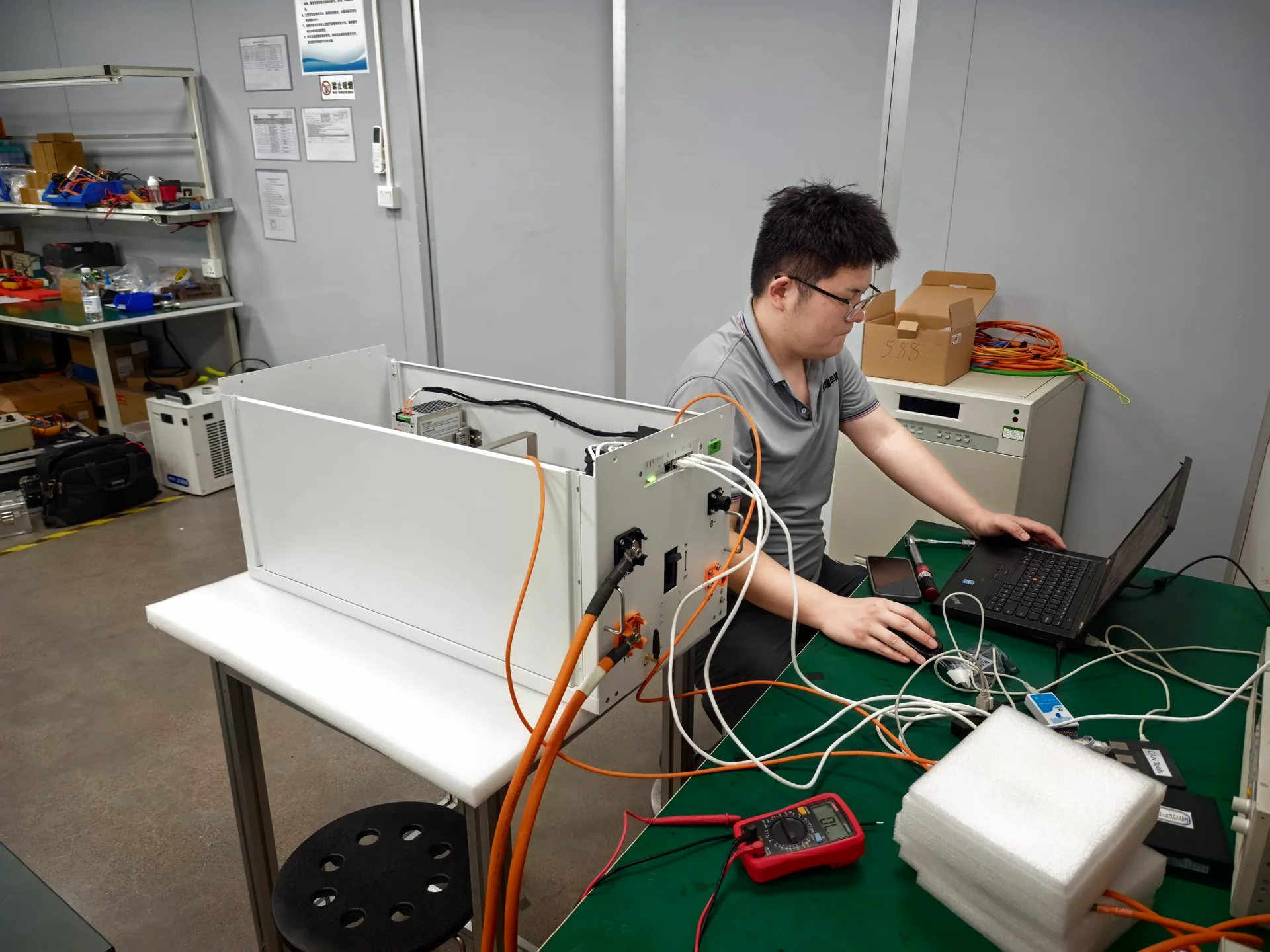
These visuals support a conservative engineering and workmanship context. They do not identify an exact model or prove a universal rating, certification, customer case, or completed validation result.
Buyer questions
An ESS PDU is a high-voltage distribution and protection assembly used within a battery energy storage architecture. It may connect battery racks or clusters to PCS/DC buses and protected branches.
An HVJB commonly centers on main isolation, pre-charge, sensing, and cluster-level protection, while an ESS PDU may also manage multiple protected branches or DC-bus distribution. The system SLD determines the appropriate role.
Share the voltage window, continuous and peak current, SLD, rack/string arrangement, PCS interface, branch list, fault data, protection requirements, enclosure, cooling, environment, communications, quantity, and project stage.
Branch protection follows load duty, fault current, time constant, coordination requirements, service strategy, thermal conditions, and the selected fuse, isolator, breaker, or contactor architecture.
Communication and status interfaces can be defined around the BMS, EMS, PCS, and project control architecture. Final protocol and frame requirements must be frozen during engineering review.
Final voltage/current limits, protection coordination, branch interfaces, enclosure/IP, thermal conditions, communications, BOM, drawings, DVP&R, EOL criteria, and certification scope remain project-specific.
Continue your review
Move from category understanding to architecture review, factory context, or an RFQ conversation.