Cluster HVJB
Use the cluster-HVJB discussion when the primary need is battery isolation, pre-charge, sensing, and protection at the cluster boundary.
ESS PDU selection guide
how to select ESS PDU · ESS buyer and engineering selection guide
Select the distribution role first, then define voltage, duty, fault, branch, control, enclosure, thermal, and validation inputs. Controlled reference targets are examples for engineering review, not universal guarantees.
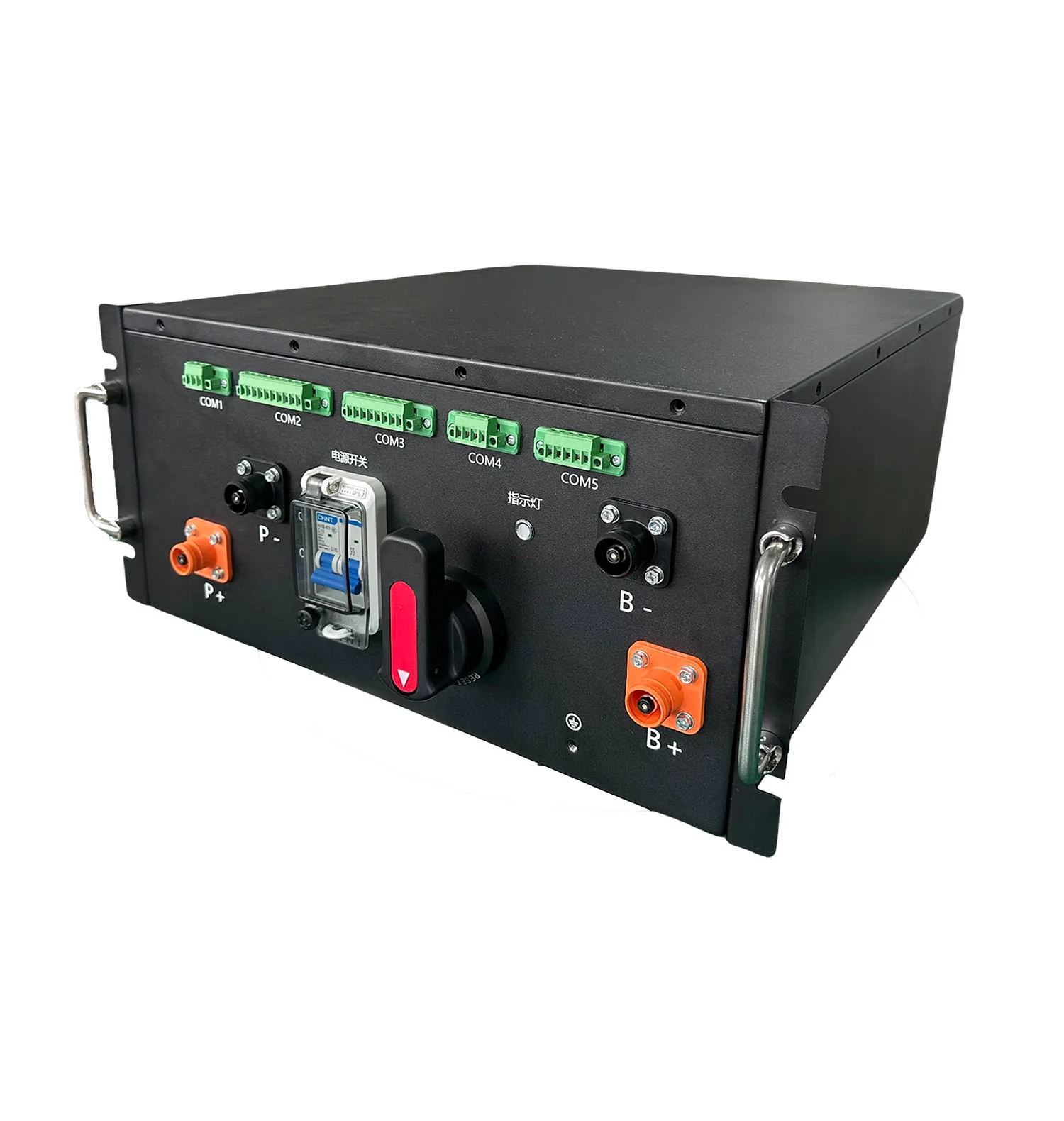
Use the cluster-HVJB discussion when the primary need is battery isolation, pre-charge, sensing, and protection at the cluster boundary.
Use the DC-PDU discussion when a main bus and multiple protected branches toward PCS/DC-bus or defined loads are required.
State the complete operating window and any transient conditions. Do not substitute a generic 400V, 800V, or 1000V label for project data.
Document contactor logic, diagnostics, insulation-monitoring interfaces, CAN/RS485 targets, frame ownership, and PCS/BMS/EMS boundaries.
Provide cabinet or independent-enclosure constraints, cooling, temperature/environment, altitude where relevant, IP target, service access, and mounting.
Final electrical, thermal, mechanical, interface, and validation limits are confirmed from project data. Reference values are not universal released ratings.
DVP&R and EOL are planning/release gates; they do not prove completed testing for every configuration.
A useful package includes SLD, rack/branch data, duty and fault assumptions, controls, protection, mechanical envelope, environment, interfaces, project stage, and quantity context.
Buyer checklist
SLD, rack/cluster topology, voltage window, current duty, prospective fault current, resistance, and time constant.
Branch list, protection coordination, service strategy, contactor/pre-charge/fuse/breaker, sensing, and HVIL.
BMS/PCS/EMS interfaces, CAN/RS485, enclosure/IP, cooling, environment, mounting, quantity, and stage.
Evidence context
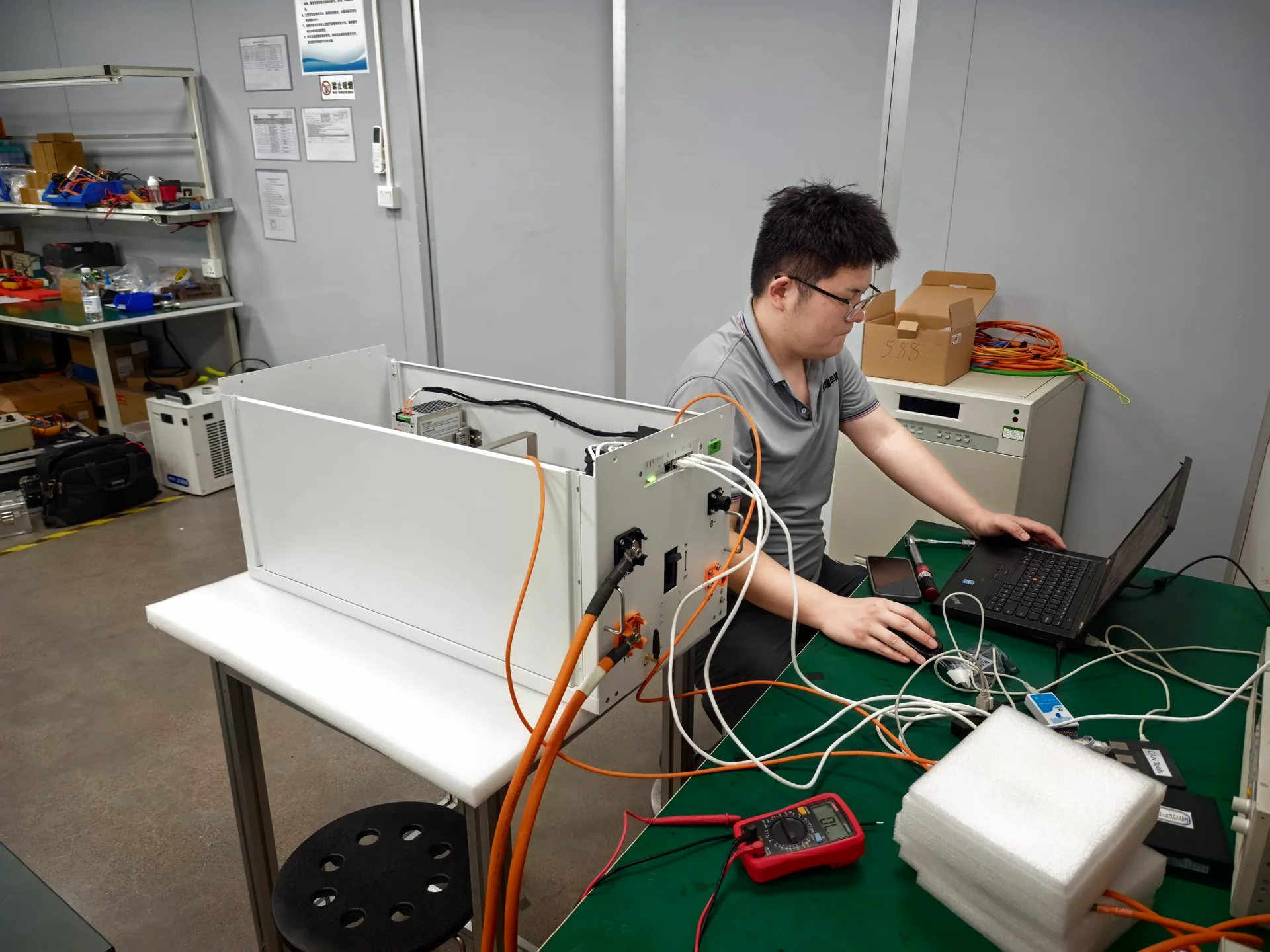
These visuals support a conservative engineering and workmanship context. They do not identify an exact model or prove a universal rating, certification, customer case, or completed validation result.
Buyer questions
Choose from the required system role: cluster-level isolation and protection points toward HVJB, while a main bus with protected branches points toward a multi-branch PDU.
Fault current, resistance, and time constant affect switching, protection coordination, thermal stress, and validation criteria.
They follow the SLD, load duty, fault coordination, service strategy, thermal conditions, and selected protection architecture.
Voltage/current limits, protection coordination, thermal derating, enclosure/IP, communications, BOM, drawings, DVP&R, EOL, and compliance scope remain project-specific.
Continue your review
Move from category understanding to architecture review, factory context, or an RFQ conversation.