Battery-cluster HVJB
Cluster-level HVJB work may cover isolation, pre-charge, protection, sensing, and connection between battery assemblies and the next DC stage.
C&I ESS power distribution
commercial industrial ESS PDU · C&I ESS component and integration scope
TRHT supports HVJB, DC PDU, busbar, harness, interface, and test-support work within commercial and industrial energy-storage architectures. The page does not claim complete-system supply or disputed system voltage data.
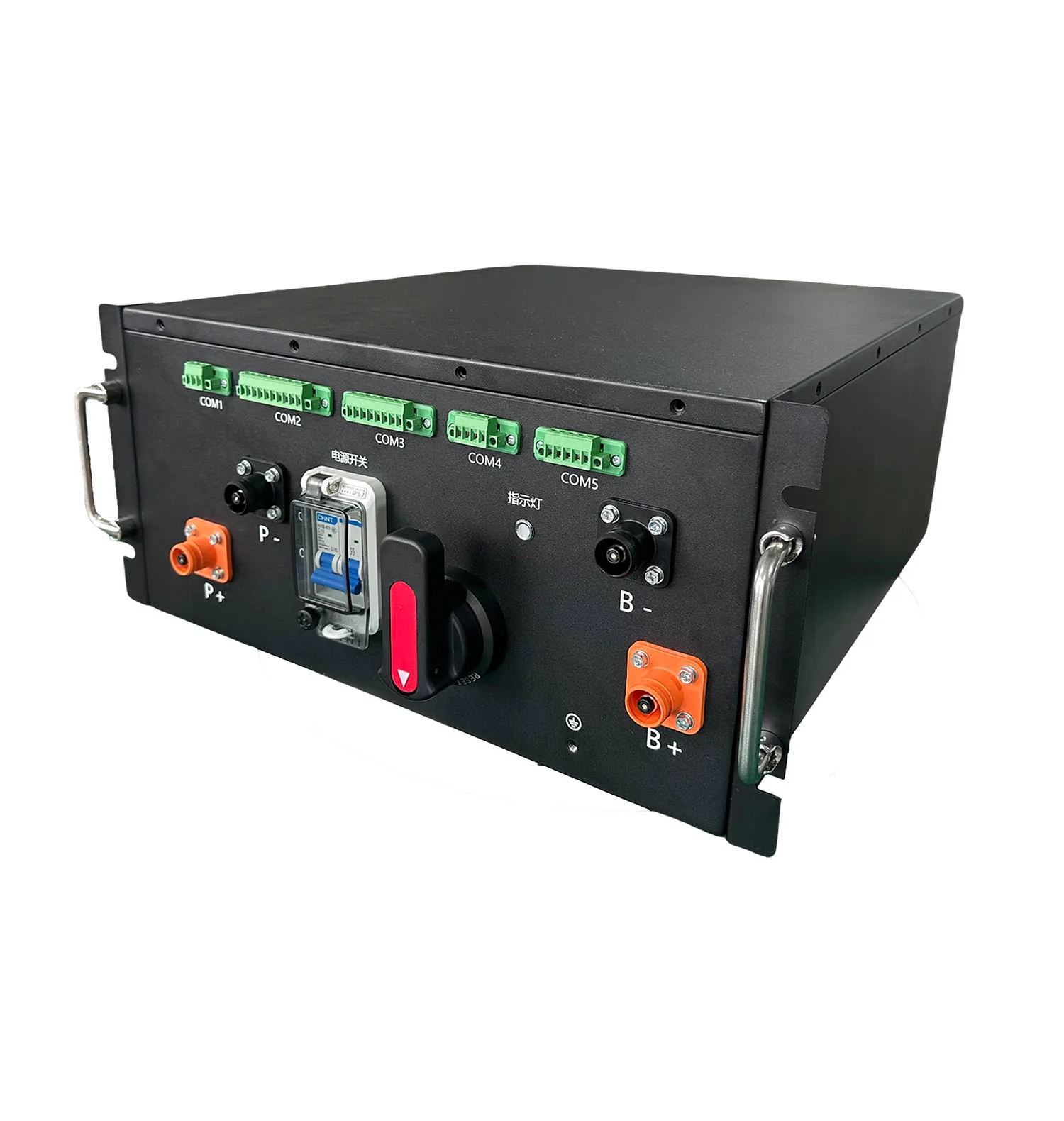
Cluster-level HVJB work may cover isolation, pre-charge, protection, sensing, and connection between battery assemblies and the next DC stage.
A multi-branch DC PDU may organize a main bus and protected outputs toward PCS/DC-bus interfaces or other defined branches.
A controlled target record describes a 600-750VDC window, 250A continuous target, and 400A/10s peak target, subject to project review.
Controlled records describe 600-1000VDC and 400A continuous HVJB targets, plus a 1000V maximum/400A main-bus multi-branch PDU target. These are not universal guarantees.
TRHT's stated scope is component and integration support for HVJB/DC PDU, busbar, harness, interfaces, and testing. Cells, packs, BMS/EMS, PCS, cooling, fire protection, installation, and whole-system certification remain system or partner scope unless separately contracted.
The disputed 125kW/261kWh working-voltage range is intentionally not published.
Evidence context
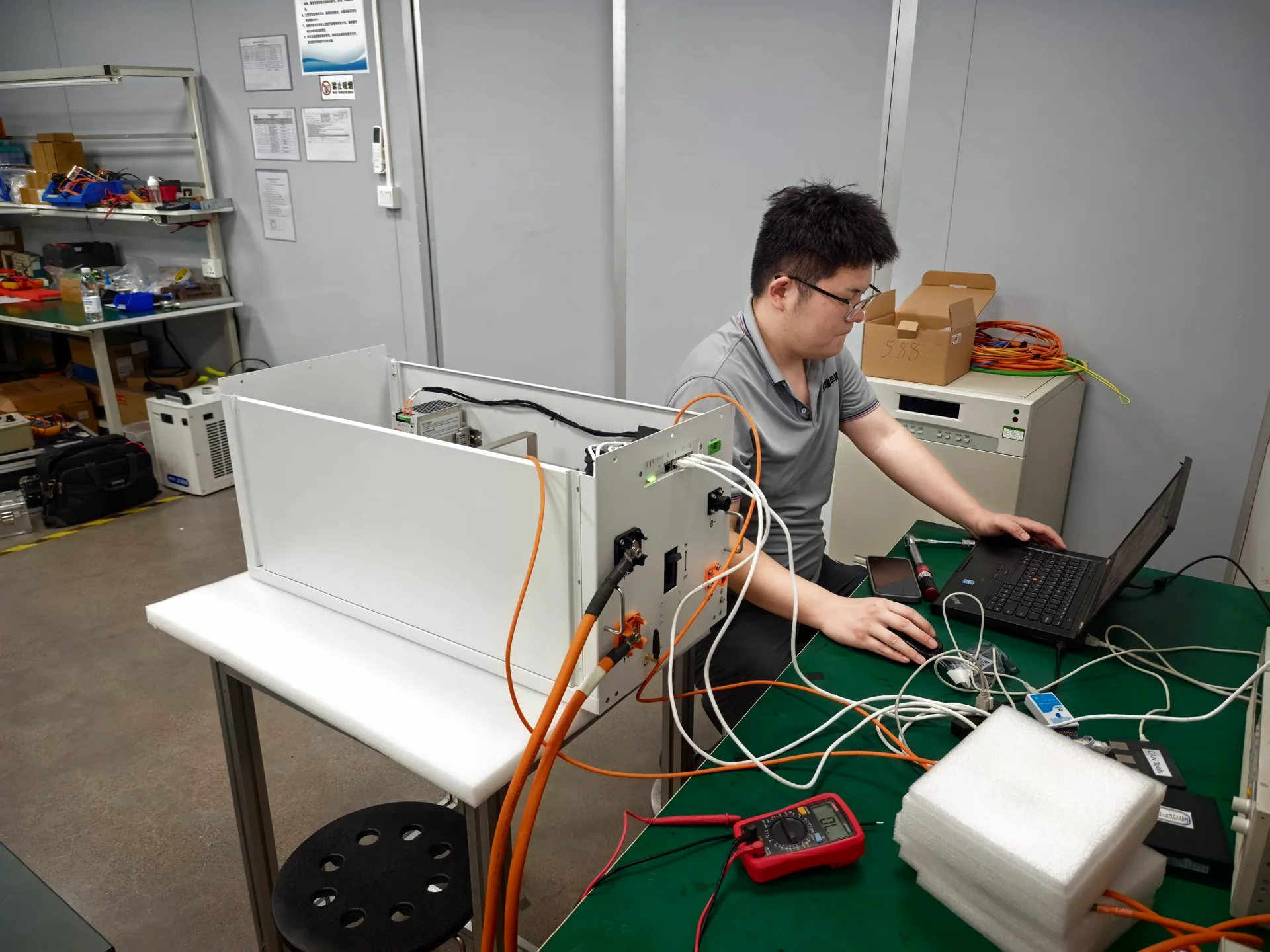
These visuals support a conservative engineering and workmanship context. They do not identify an exact model or prove a universal rating, certification, customer case, or completed validation result.
Buyer questions
It distributes and protects defined high-voltage paths between battery clusters, DC buses, PCS interfaces, and protected branches.
The public scope is HVJB/DC PDU, busbar, harness, interface, and test-support engineering; complete-system scope must be agreed separately.
They are determined from system voltage/current duty, prospective fault data, time constant, coordination, thermal conditions, service strategy, and the selected protection architecture.
This page does not claim complete-system supply. Cells, packs, BMS/EMS, PCS, cooling, fire protection, and installation remain system or partner scope unless contracted.
Continue your review
Move from category understanding to architecture review, factory context, or an RFQ conversation.